
Autumn Bark Mulch Guide: Where It Works Best (and When to Skip)

As nights draw in and soil stays damp for longer, a smart layer of mulch can transform how your garden copes with cold, wind, and persistent rain. Autumn is the ideal window to tidy beds, top up paths, and protect roots before the first frosts.
Used in the right places and at the right depth, bark mulch cuts weeding, locks in moisture, and buffers temperature swings so plants ride out winter in better shape. There are, however, sensible limits. Some plants dislike heavy mulching, membranes can do more harm than good in living borders, and paths often perform better with harder wearing chips.
This guide shows where landscaping bark mulch shines, when to choose ornamental bark or hardwood chips instead, and what to avoid as temperatures drop.
Why mulch in autumn
Autumn mulching helps beds and borders settle for winter. On weeded, slightly moist soil, a fresh 5 to 7 cm layer of bark mulch typically:
-
Reduces light to weed seeds, so you pull fewer in spring
-
Slows evaporation to keep soil moisture steady
-
Insulates surface roots against cold snaps and winter winds
As organic bark gradually decomposes, it can also improve soil structure, permeability, and biological activity, supporting healthier growth next season.
Where bark mulch works best
Use landscaping bark mulch as your reliable all-rounder for:
-
Mixed borders and shrub beds where coverage and soil protection matter
-
Newly planted areas that need moisture retention and gentle insulation
-
Sloping beds prone to washout, where mulch can reduce surface erosion
-
Informal paths around planting that benefit from softer, natural footing
Go for ornamental bark when you want a neater, decorative finish in front-of-house borders, pots, and planters. Both products support weed suppression and moisture retention at 5 to 7 cm; ornamental grades simply deliver a tidier, more uniform look.
For help sizing your order and depth, see Bark UK’s practical guide on estimating quantities with the calculator, including bulk vs bag comparisons. You will find it useful when planning top-ups ahead of frosts.
When not to use mulch
There are sensible exceptions to the autumn rule.
-
Crowned or stem-sensitive plants: Keep mulch pulled back a hand’s width from trunks, crowns, and woody stems to avoid rot and pest harborage.
-
Boggy or waterlogged beds: Mulch will not fix drainage issues and can trap excess moisture at the surface. Improve drainage first.
-
Alpine and drought-adapted mats: Many alpines and silver-leaved, sun-loving plants resent heavy, damp cover over the crown. Use gravel or keep mulch thin and well back.
-
Freshly seeded lawns or very fine sowings: Wait until seedlings are established before adding any loose cover nearby that might drift.
-
Persistent perennial weeds: Dig out tough roots first. Where invasive perennials are a problem, deeper coverage (7 to 10 cm) can help, but removal is most effective.
How deep to mulch
For most beds and borders, 5 to 7 cm is a practical target. In areas with stubborn weeds or where you want longer suppression, up to 7 to 10 cm can be appropriate. Allow for up to 20% settlement over the first few weeks.
On existing mulch, top up to restore the target depth after raking off any compacted, tired surface.
Membranes, bark, and living borders
Landscape fabric has a place under gravel or in non-planted strips. In planted borders, it often hinders soil life, root spread, and natural mulching benefits. If you are aiming to improve soil health and moisture retention, lay bark mulch directly on weeded soil without a membrane.
For paths, a geotextile layer beneath hardwood chips can reduce mud pumping from below while still allowing drainage. Keep this distinction clear: borders like living soil contact, paths benefit from a stabilising barrier.
Can you put bark straight onto soil?
Yes. Weed thoroughly, water lightly if the soil is bone dry, then lay your mulch. Leaving a gap around stems and crowns prevents rot. The bark gradually integrates with the topsoil, improving structure as it breaks down.
Bark chippings, mulch, and hardwood chips, explained
-
Bark mulch: A versatile, mixed-size organic cover for beds, borders, and informal paths around planting. Focused on soil protection and weed suppression.
-
Bark chippings and ornamental bark: Cleaner, more decorative particles that create a neater finish in visible borders, pots, and planters.
-
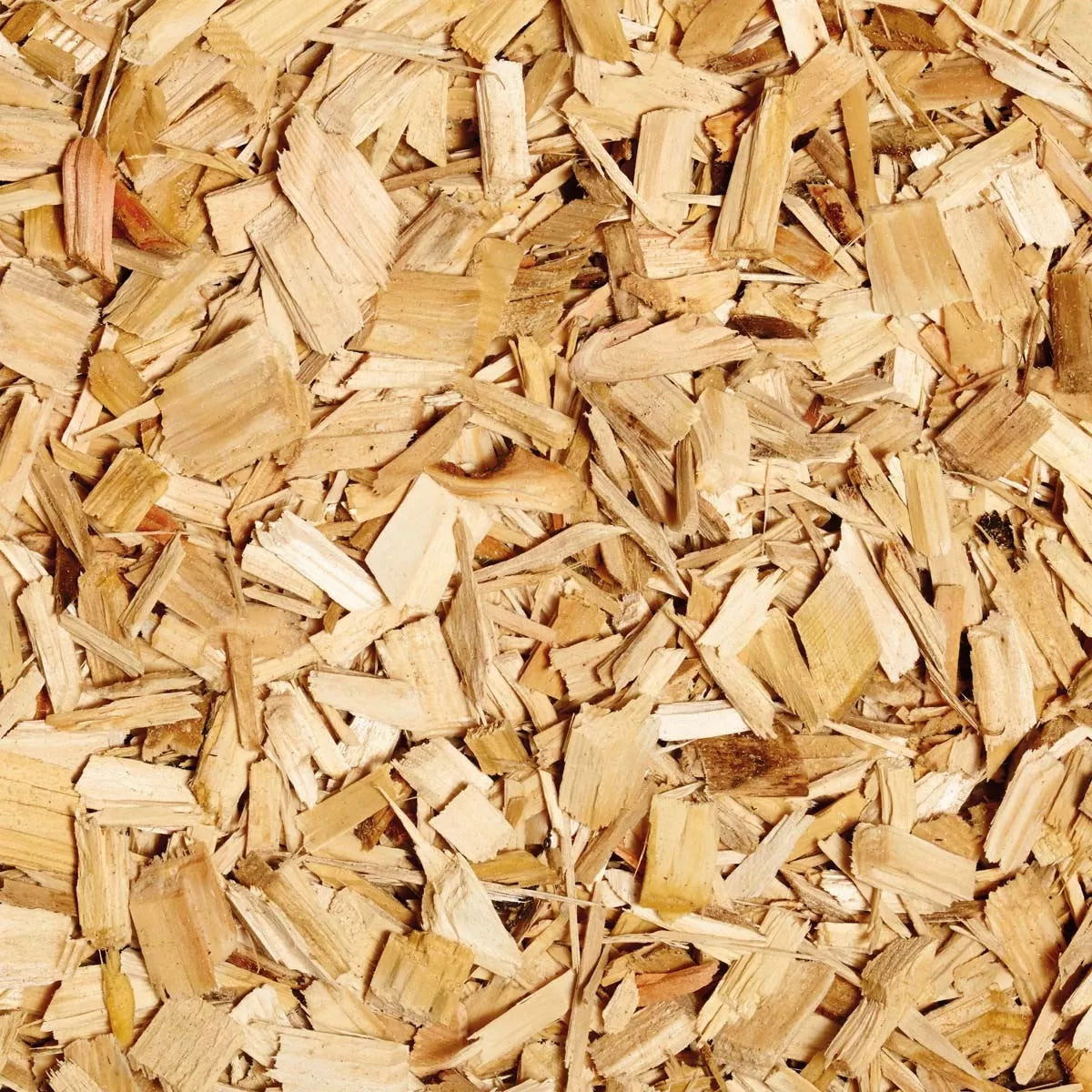
Hardwood chips: Denser, longer lasting, and better underfoot on paths and high-traffic walkways. They drain well and resist turning messy after heavy rain.
If your priority is a firm, tidy garden route through winter, choose hardwood chips rather than standard bark on paths. They last longer and stay usable after downpours. Explore durable options for wood chips for paths to keep access clean in wet weather.
Coverage tips and ordering before frosts
As a rule of thumb:
-
A typical 70L bag of bark covers about 1 m² at 5 to 7 cm
-
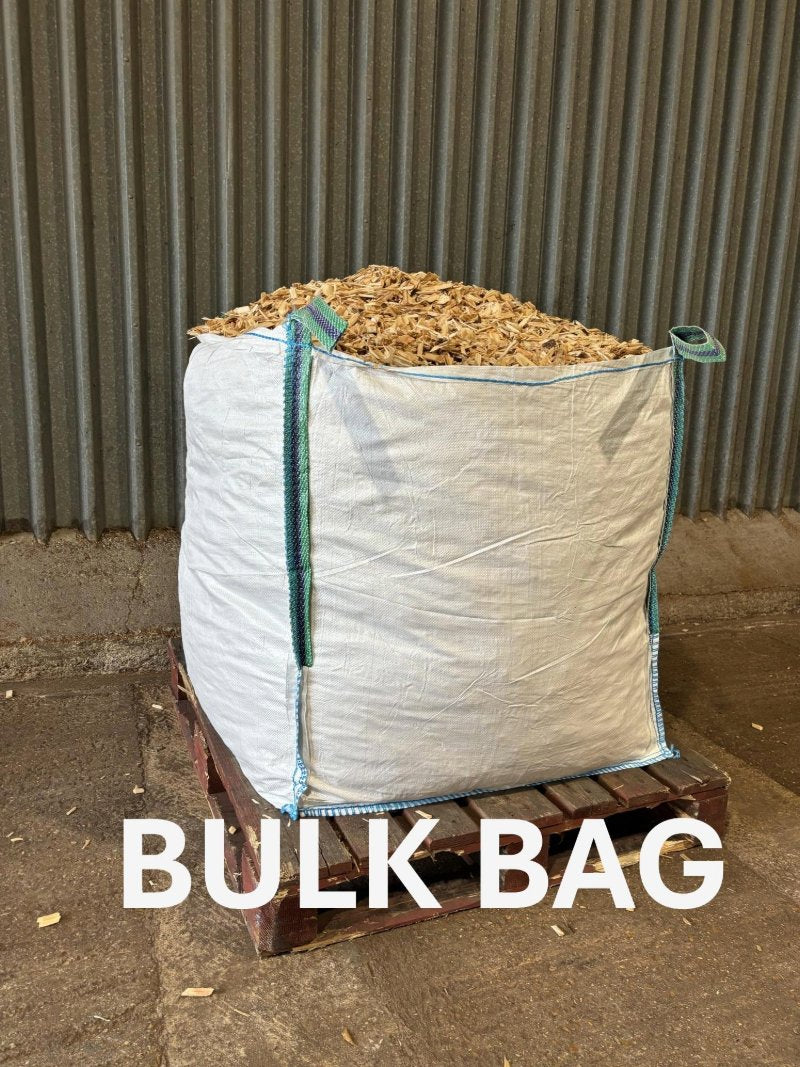
Bulk bags, approximately 1.0 m³, simplify larger refreshes
-
Allow for settlement and the depth you actually want to see after a few weeks
If you are tackling several borders or a long path, consider bulk bag formats to reduce handling. For smaller top-ups or tight spaces, 70L bags are easier to move. Bark UK offers nationwide delivery to most UK postcodes in around 2 to 5 working days, so aim to order before the first frosts for maximum benefit.
Browse Bark UK’s range of landscaping bark for beds and borders, or choose hardwood wood chips for more durable winter paths.
Product pick guide for autumn
-
Beds and borders that need reliable, practical cover: Landscaping bark mulch
-
Showpiece borders, pots, and planters that need a clean, decorative finish: Ornamental bark chippings
-
Garden paths, worn shortcuts, and muddy kitchen garden routes: Hardwood chips
If you are unsure which grade suits a specific zone, Bark UK’s team offers honest, practical advice to help you order with confidence.
Autumn FAQ
-
Is bark mulch a good idea in autumn? Yes. It helps retain moisture, suppress weeds, limit soil erosion, and insulate roots through winter. Apply 5 to 7 cm on weeded, slightly moist soil.
-
When should you not use mulch? Avoid heavy mulching over crowns and trunks, in waterlogged beds, and around alpines or crown-sensitive plants. Remove deep-rooted perennial weeds first.
-
Are bark chippings the same as mulch? They are related but not identical. Bark mulch is a versatile all-round cover for soil health and weed suppression, while bark chippings, especially ornamental grades, prioritise a neat, decorative finish.
-
Do I need a membrane under bark chippings? Not in living borders. Membranes restrict soil contact and biology. Use a stabilising fabric under path surfaces if needed, not under planted beds.
-
Can you put bark straight onto soil? Yes. Weed first, water lightly if very dry, then lay bark, keeping a gap around stems and crowns.
Gentle next step
Ready to winter-proof your garden? Order landscaping bark or ornamental bark for borders, and choose hardwood chips for firm, drainable paths before the first frosts. If you are planning a larger refresh, use the coverage calculator and consider bulk bags to keep handling simple.
Helpful links:
-
Explore Bark UK’s bark mulch range for beds and borders at bark and mulch
-
Compare durable wood chips for gardens and winter paths at wood chip mulch
-
Plan quantities with this guide to how much bark you need at how much bark do i need
-
Shop direct and get delivery to most UK postcodes at bark UK online


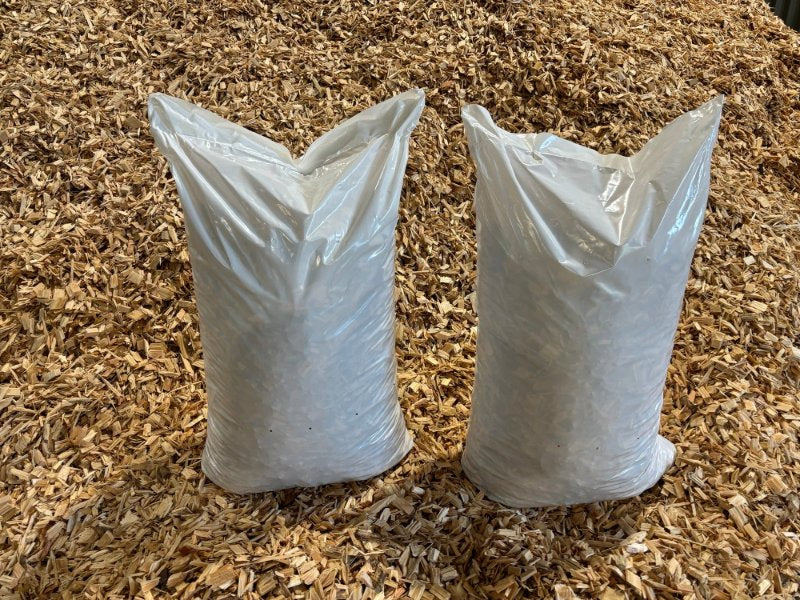
Supplied in easy to handle 70L bag
Minimum 80% Hard wood chips comp...

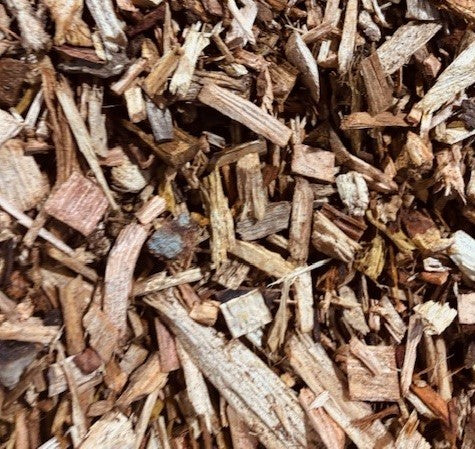
Minimum 80% Hard wood chips comprises of Ash, Beech, Birch, Oak, Sycamore ...
Minimum 80% Hard wood chips comprises of Ash, Beech, Birch, Oak, Sycamore ...
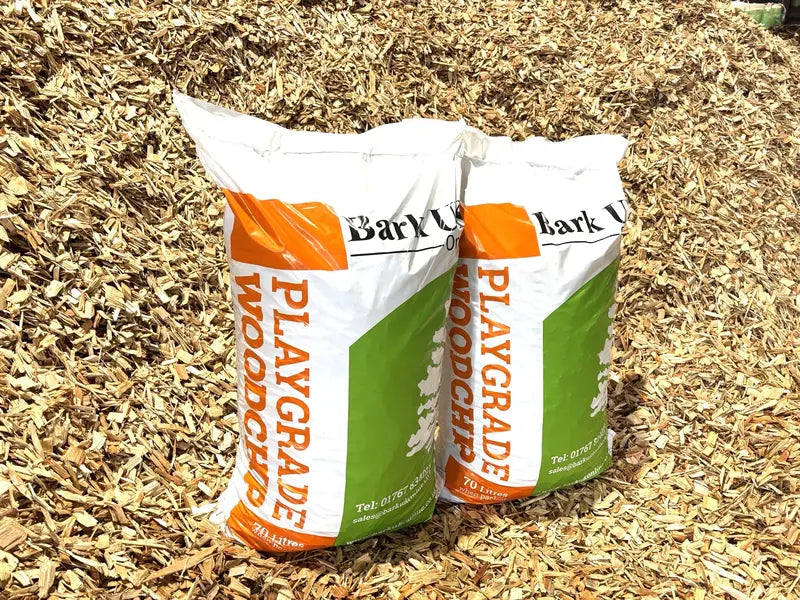
Softwood chips are supplied in easy to manage 70 litre
Softwood c...
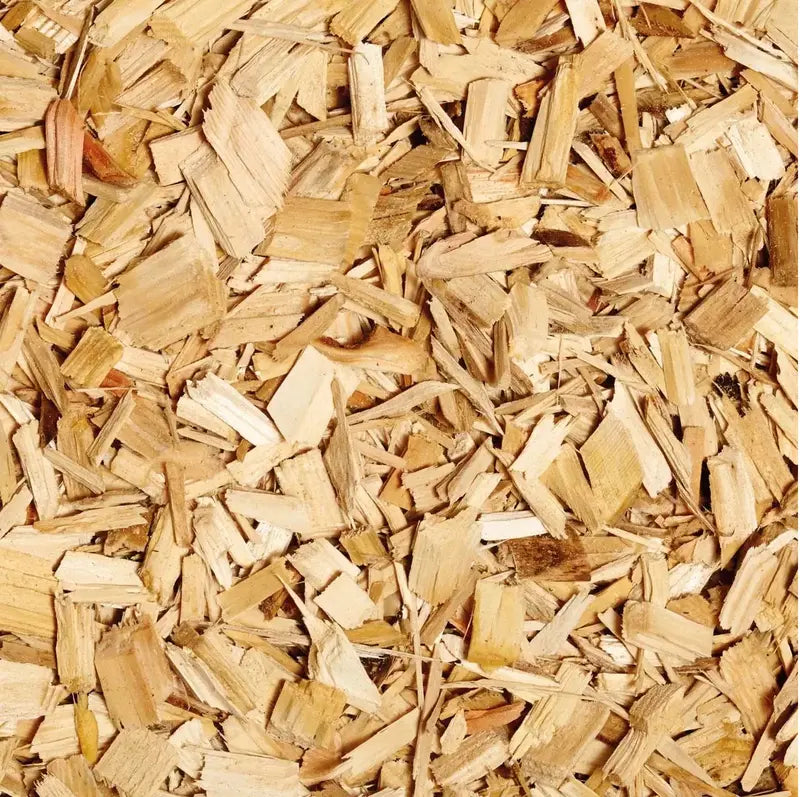
Softwood chips are supplied in large Approx.1000 litre bulk bags
Softwood chips are supplied in large Approx. 2000 litre bulk bags
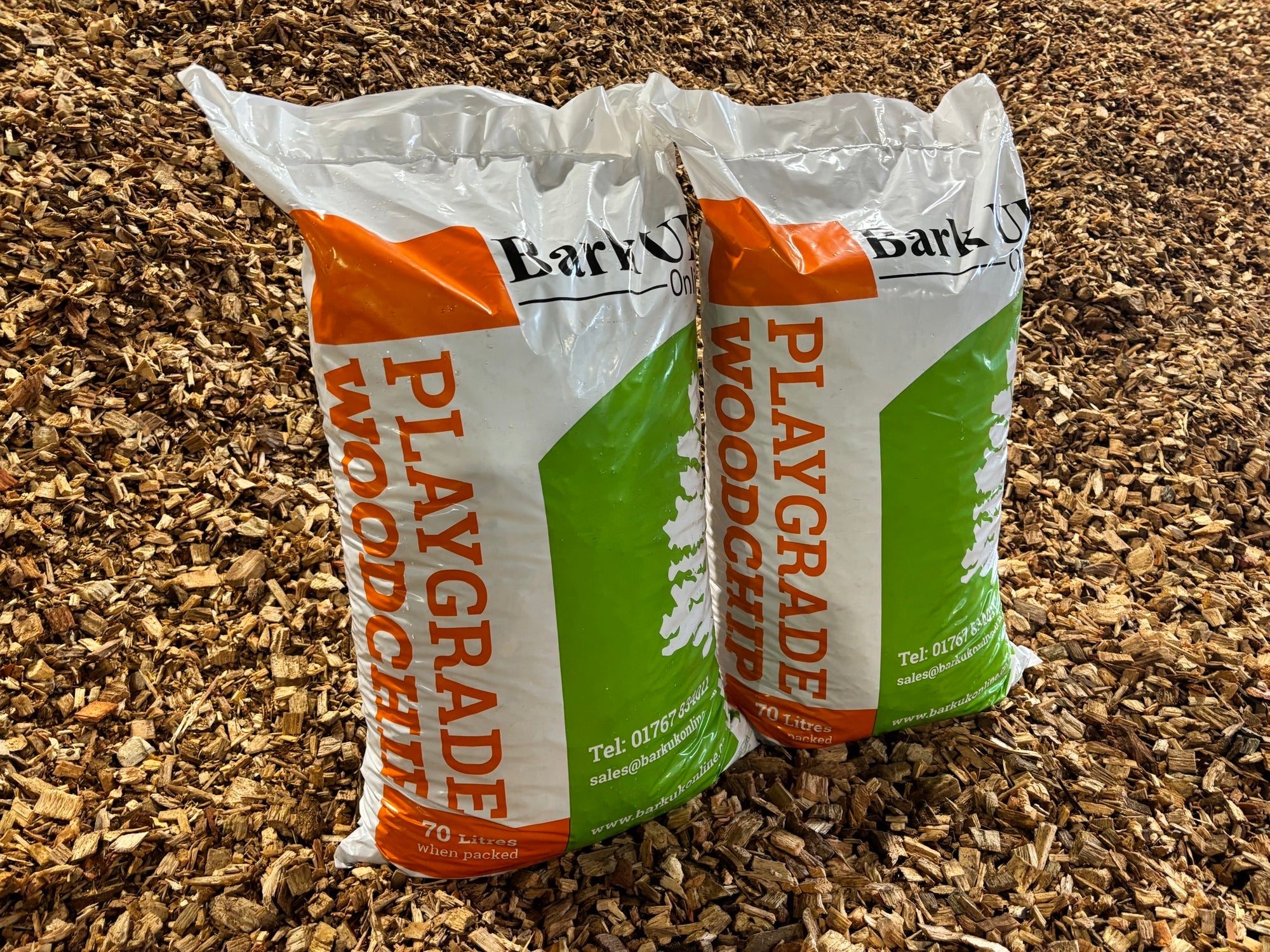
Wood chips are supplied in easy to manage 70 litre bags
<...
Supplied in large Approx.1000 litre bulk bags.
Wood ch...
Wood chips are supplied in large Approx.2000 litre bulk bags....
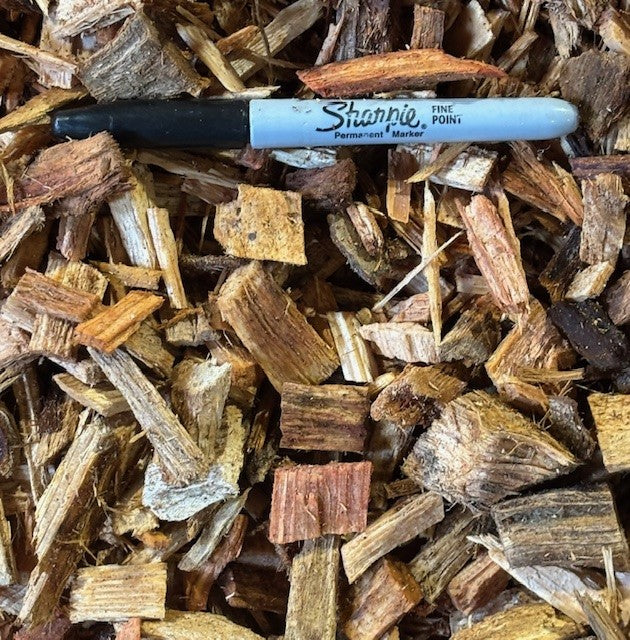
Budget Poultry run wood chips make an ideal floor covering for your chicke...
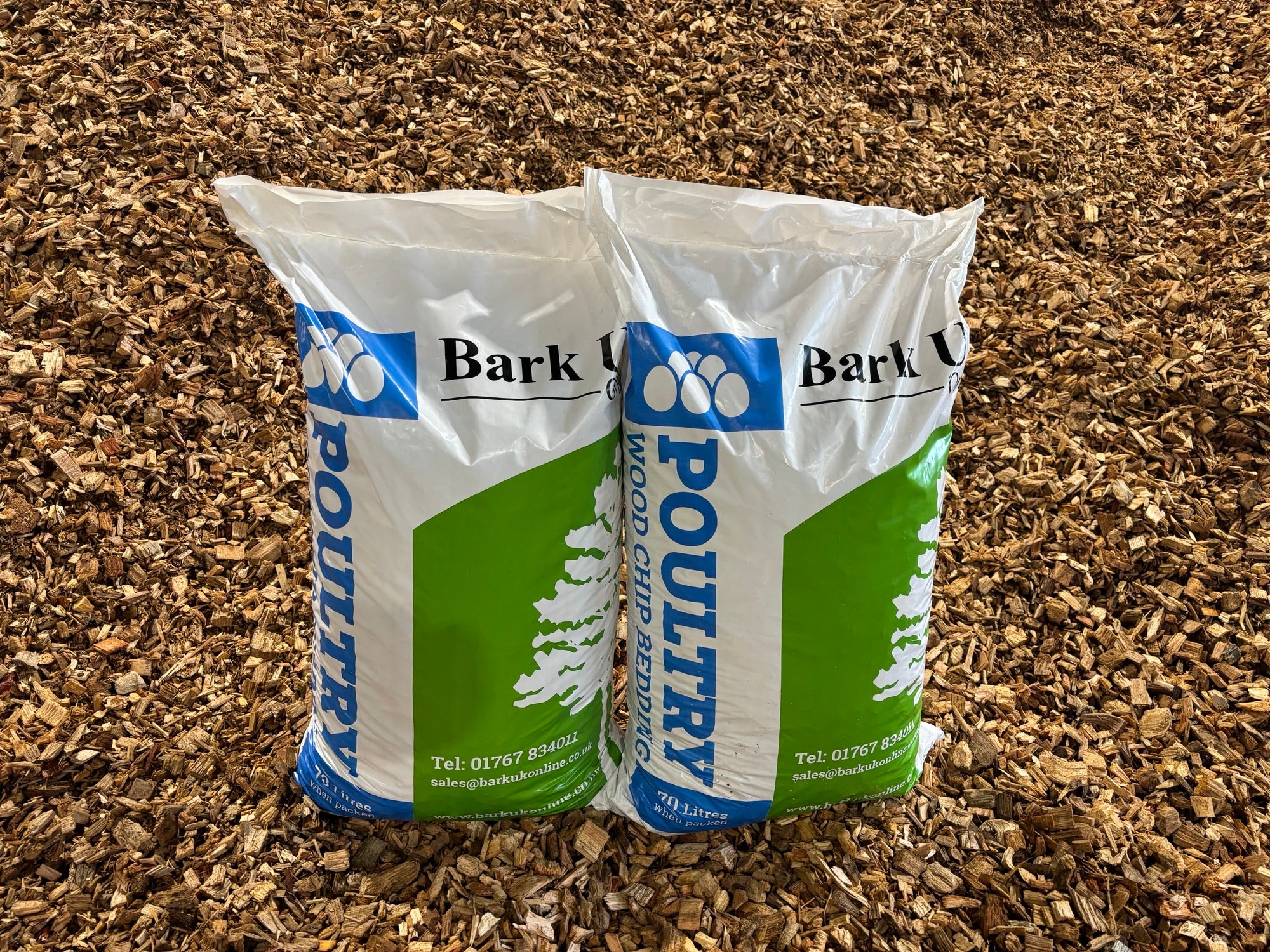
Poultry wood chips make an ideal floor covering for your chicken run...
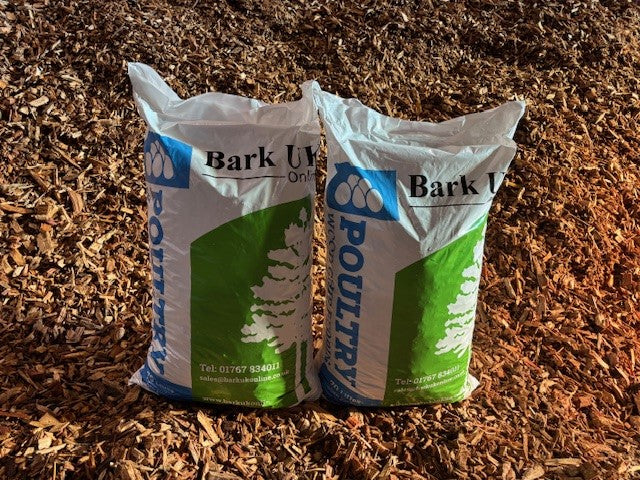
Budget Poultry wood chips make an ideal floor covering for your chic...
Budget Poultry run wood chips make an ideal floor covering for your chicke...
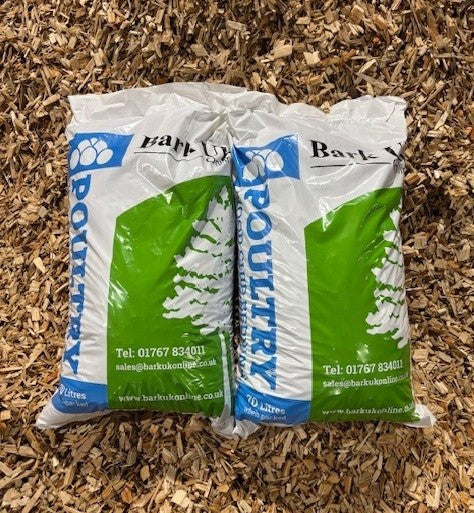
Poultry Softwood chips are supplied in easy to manage 70 litre bags.
...
Poultry Softwood chips are supplied in large Approx.1000 litre bulk ...
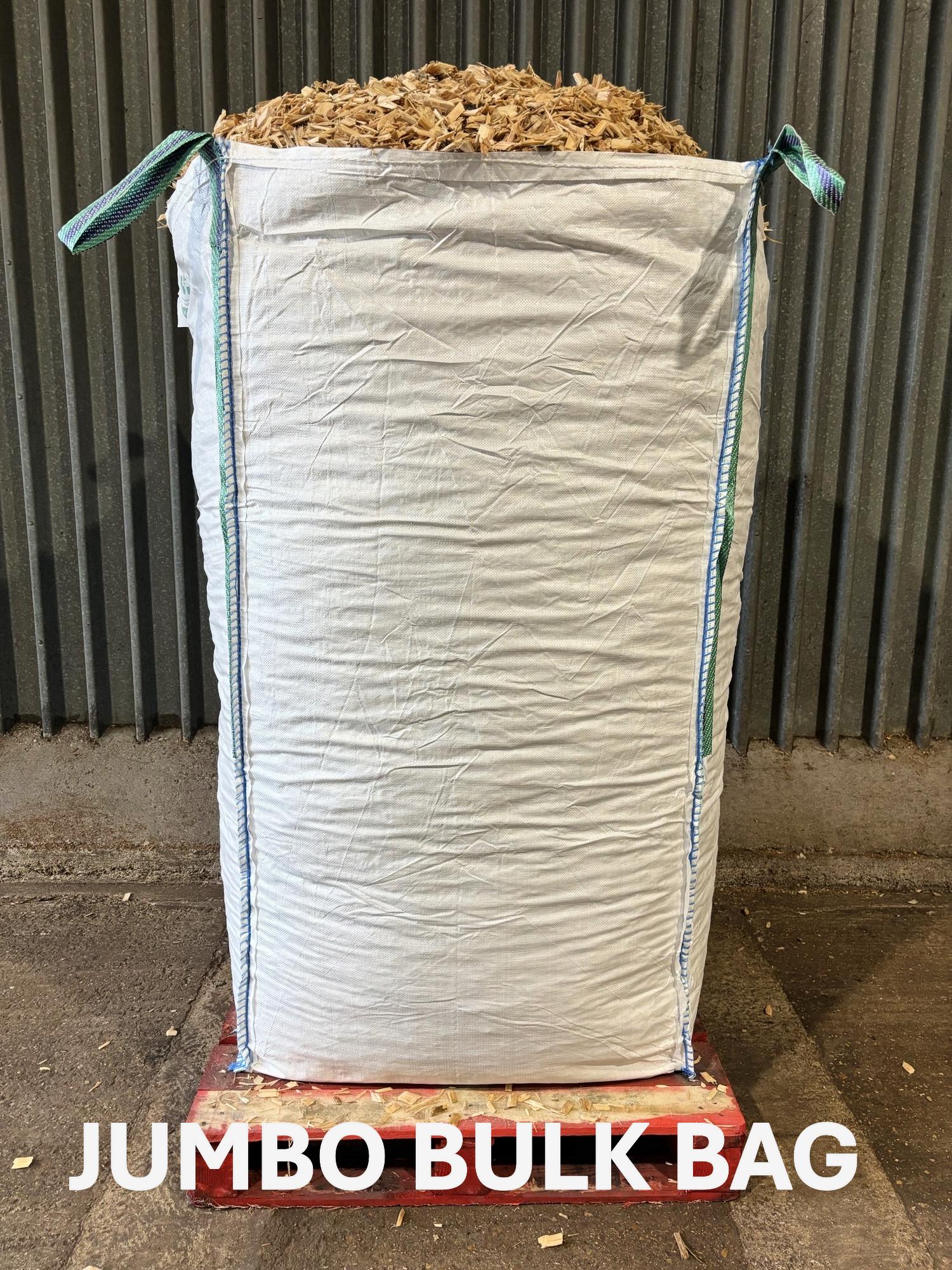
Poultry Softwood chips are supplied in large Approx.2000 litre bulk ...
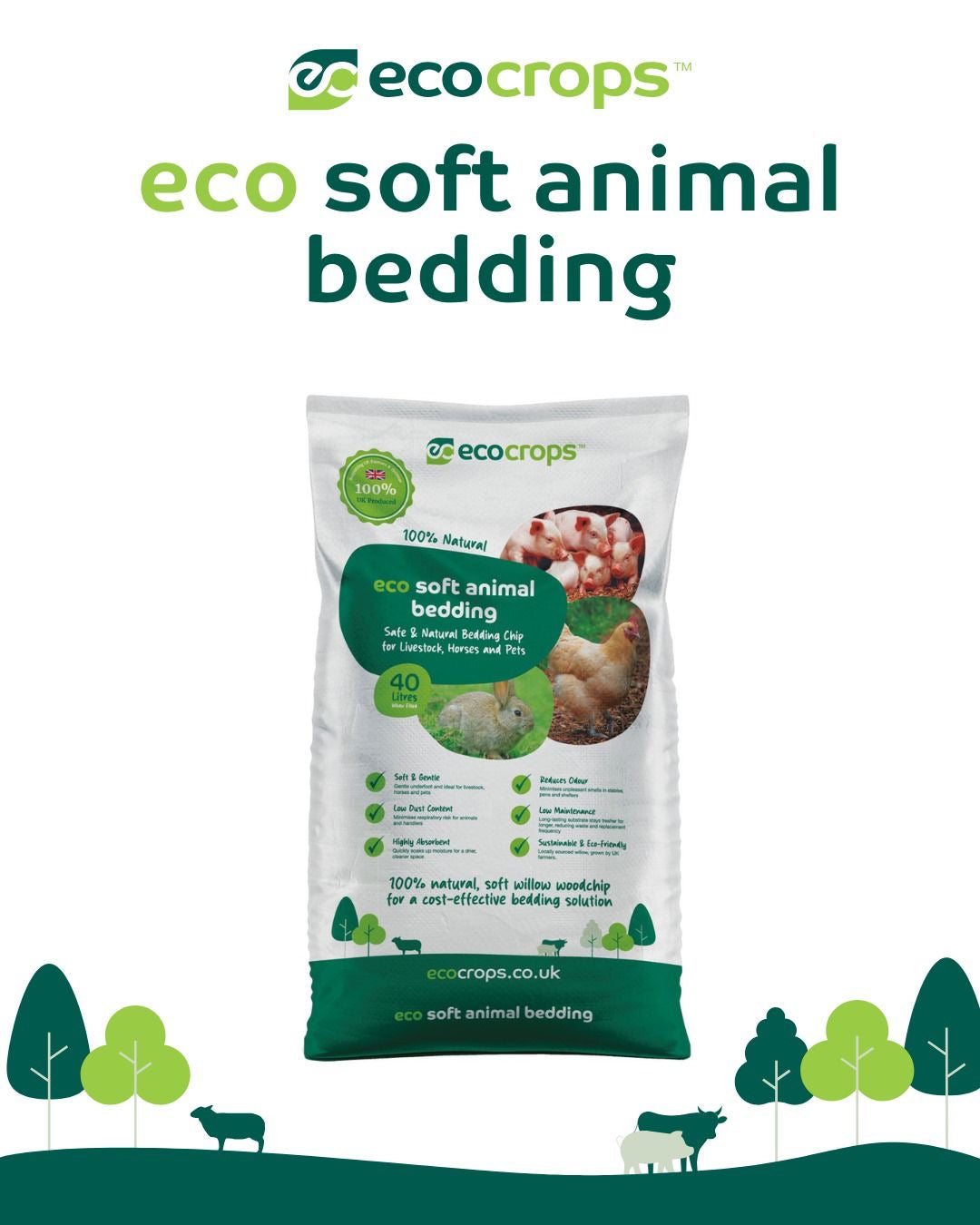
Eco Crops’ natural bedding solution is soft and are supplied in...