
Spring Clean Your Garden: How to Re-Mulch, Refresh Borders and Boost Soil After Winter

Spring Clean Your Garden: How to Re-Mulch, Refresh Borders and Boost Soil After Winter
After months of wet, winter weather, it’s no wonder that most gardens look a little worse for wear by the time spring arrives. Mulch has thinned out or compacted, borders are tired, and the soil needs a helping hand before the growing season gets going.
The good news? A bit of focused effort in spring, before things really start moving, pays dividends all season long. This guide walks you through exactly what to do: how to assess what winter has left behind, how to re-mulch properly, and how to get your borders and soil back in shape ready for everything that’s coming.
Why Spring Is the Right Time for Garden Mulching
Spring is the most important time of year for garden mulching, and timing really does matter.
The window between the last frost and the first flush of weed growth is your best opportunity. Mulch applied now locks in the moisture that warming soil needs, gives newly emerging plants a stable environment to root into, and gets ahead of the weed seeds that are just waiting for a bit of warmth and light to germinate.
Leave it too late and you're playing catch-up all season. Get it right in March or April and you'll spend far less time weeding, watering, and generally firefighting through the summer months.
Step 1: Assess What Winter Has Done
Before you order anything or pick up a rake, take a proper look at what you’re working with.
Walk your borders and beds and ask yourself:
-
Is the mulch layer thin or compacted? Winter rain and frost break mulch down over time. If it’s looking sparse, it’s not doing its job.
-
Are there bare patches of soil showing? Exposed soil loses moisture quickly and gives weeds a free run.
-
Has the mulch become waterlogged or matted? Compacted mulch can actually hinder drainage rather than help it. It needs breaking up before you add anything new.
-
Are weeds already appearing? If they are, remove them before re-mulching. Burying weeds under a fresh layer just delays the problem.
A quick assessment now saves wasted effort later and helps you work out how much product you actually need.
Step 2: Prepare Your Borders Before Re-Mulching
Good garden mulching starts with good preparation. A few simple steps before you lay anything will make a significant difference to the results.
-
Clear debris first. Remove any fallen leaves, dead plant matter, and winter detritus from beds and borders. Left underneath fresh mulch, this material can trap moisture and cause problems.
-
Weed thoroughly. Pull or hoe any weeds that have already emerged, roots and all. Annual weeds are straightforward; perennial weeds like bindweed or couch grass need more attention.
-
Consider a weed membrane for problem areas. If certain beds are persistently overrun with weeds, laying a weed membrane before mulching provides a physical barrier that dramatically reduces the ongoing battle. Mulch goes on top, keeping the border looking natural while the membrane does the hard work underneath.
-
Loosen compacted mulch. If last year's layer is still partially in place but has compacted, give it a gentle rake to break up the surface before topping up. There's no need to remove it entirely. Just refresh it.
Step 3: Choose the Right Mulch for the Job
Not all mulch products work the same way in every situation. Choosing the right one for each area of your garden makes a real difference.
For beds, borders, and around shrubs: Bark mulch is the classic choice. It suppresses weeds effectively, retains moisture, and gives borders a clean, finished appearance. As it slowly breaks down, it also improves soil structure. So, it's doing two jobs at once.
For a natural, earthy look: Garden mulch works beautifully in planted areas where you want a more organic feel. It blends naturally into the landscape while providing the same practical benefits of weed suppression and moisture retention.
For paths, working areas, and larger landscaping projects: Wood chippings are the more durable option. They're harder-wearing than decorative bark, break down more slowly, and hold up well in areas that see regular foot traffic or need reliable coverage over a large space.
If you're unsure which product is right for a specific area, just get in touch. As a family-run business, we're always happy to give honest advice and help you make the right choice.
Step 4: Apply Mulch Correctly
Once your borders are prepped and your product is chosen, application is straightforward. But a few practical tips will help you get the best results.
-
Apply to moist soil. Mulch locks moisture in, but it can't create it. If the soil is dry, give it a good watering before laying mulch, especially if rain hasn't been forthcoming.
-
Aim for 7–10cm depth. This is the sweet spot for effective weed suppression. Too thin and weeds will push through; too thick is unnecessary and can impede moisture reaching the soil.
-
Keep mulch away from plant stems and tree trunks. Piling mulch directly against stems traps moisture and can cause rot. Leave a small gap around the base of plants.
-
Work outwards from the centre of beds. This keeps things neat and ensures even coverage across the whole border.
For larger gardens or multiple borders, ordering in bulk makes the job considerably easier and more cost-effective. Our products are available in 70L bags for smaller areas, or in large bulk bags. Ideal when you're covering a lot of ground in one go.
Step 5: Don’t Forget the Soil Itself
Re-mulching is the visible part of the spring refresh, but it's worth giving the soil underneath some attention too.
If your beds had a hard winter or the soil is looking tired and compacted, working in some organic compost before you mulch will make a real difference. Compost replenishes nutrients, improves soil structure, and supports the microbial activity that healthy plant growth depends on. Mulch on top then maintains those conditions through the season.
For vegetable beds and borders that are being replanted, this combination of compost and mulch is one of the most effective things you can do to set the growing season up well.
FAQs
When is the best time to mulch your garden in the UK?
Spring is the primary mulching season, ideally from mid-March through to May, once the risk of heavy frost has passed but before weed seeds begin germinating in earnest. Mulching at this point gets you ahead of the weeds and helps retain the moisture that warming soil needs. Autumn is the other key mulching window, when a fresh layer protects roots through the colder months.
How do you re-mulch garden borders in spring?
Start by clearing debris and removing any weeds that have already emerged. If the existing mulch is compacted, rake it to loosen the surface rather than removing it entirely. Lay fresh bark mulch or garden mulch on top to restore depth, keeping it away from plant stems. Aim for 7–10cm of coverage for effective weed suppression and moisture retention.
How thick should a layer of bark mulch be?
A depth of 7–10cm is the practical target for most garden beds and borders. This provides reliable weed suppression without being excessive. In high-traffic areas or more exposed spots, you may want to go slightly deeper. In lighter, more sheltered beds with established plants, the lower end of that range works well.
Does mulching in spring prevent weeds?
Yes, but only when applied correctly. A good layer of bark mulch or garden mulch blocks light from reaching dormant weed seeds in the soil, preventing most annual weeds from germinating. It won't stop every weed, particularly persistent perennial varieties, which is why clearing existing weeds before you mulch matters. For areas with a persistent weed problem, combining mulch with a weed membrane underneath gives the best long-term results.
Get Your Garden Spring-Ready with Bark UK Online
A spring refresh doesn’t need to be complicated. Clear, prepare, choose the right product, and apply it well, and your garden will reward you with less maintenance and healthier growth right through to autumn.
Browse our full range of bark mulch, garden mulch, and wood chippings at Bark UK Online, and order with confidence for delivery across the UK. Not sure how much you need? Use our calculator or get in touch. We're always happy to help.


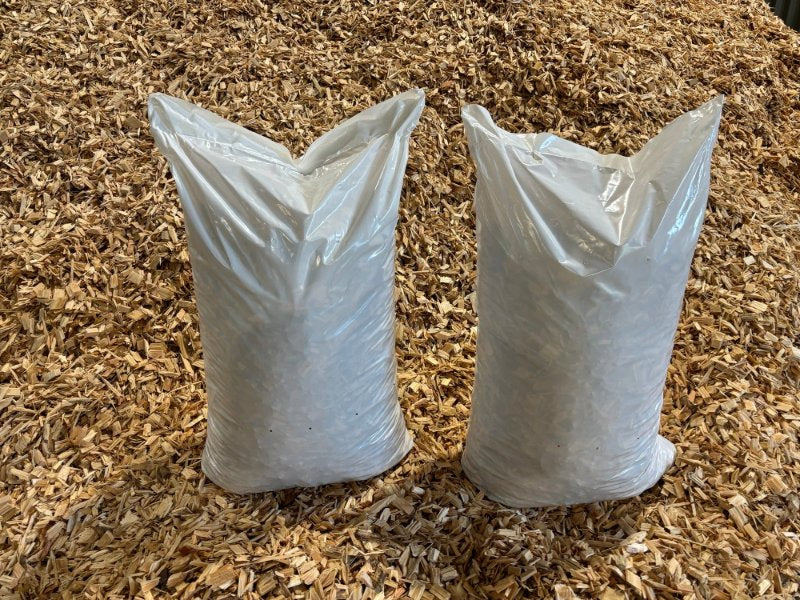
Supplied in easy to handle 70L bags
Minimum 80% Hard wood ...

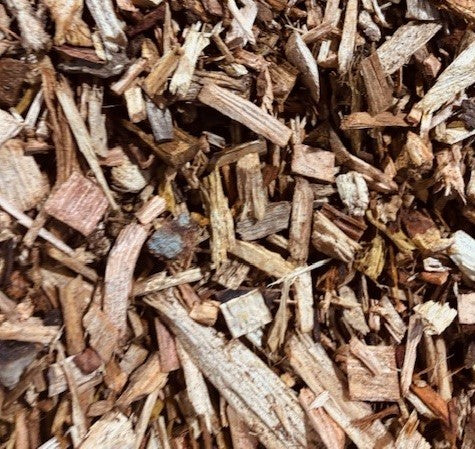
Minimum 80% Hard wood chips comprises of Ash, Beech, Birch, Oak, ...
Minimum 80% Hard wood chips comprises of Ash, Beech, Birch, Oak, ...
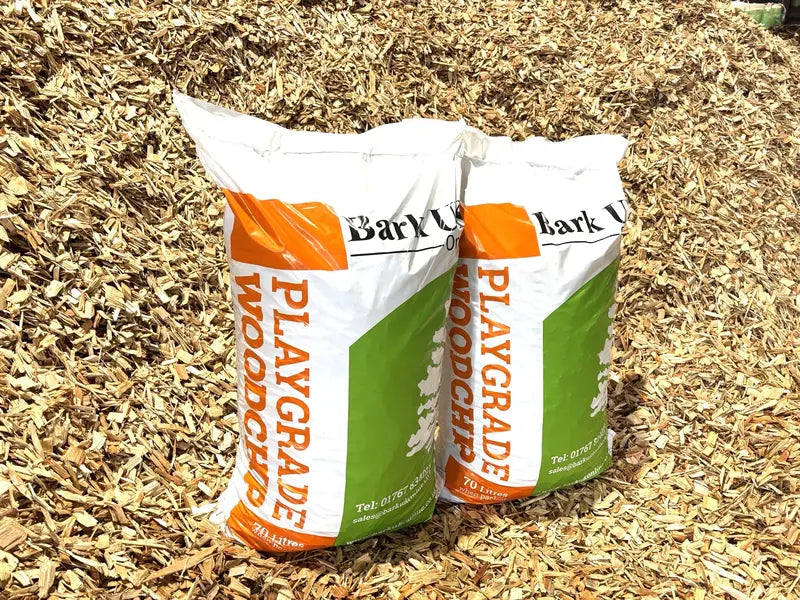
Softwood chips are supplied in easy to manage 70 litre
Softwood c...
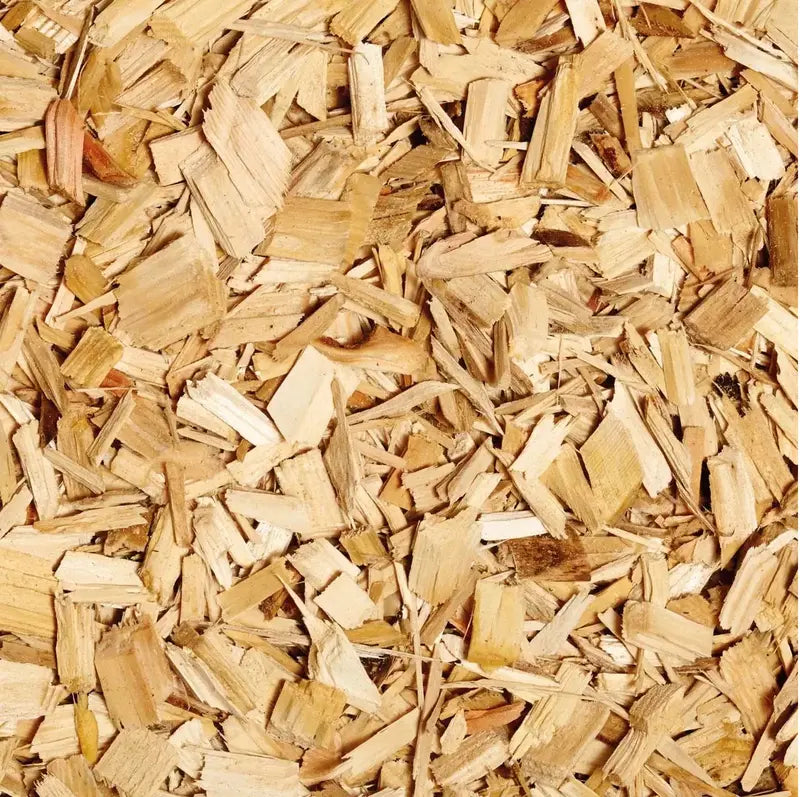
Softwood chips are supplied in large Approx.1000 litre bulk bags
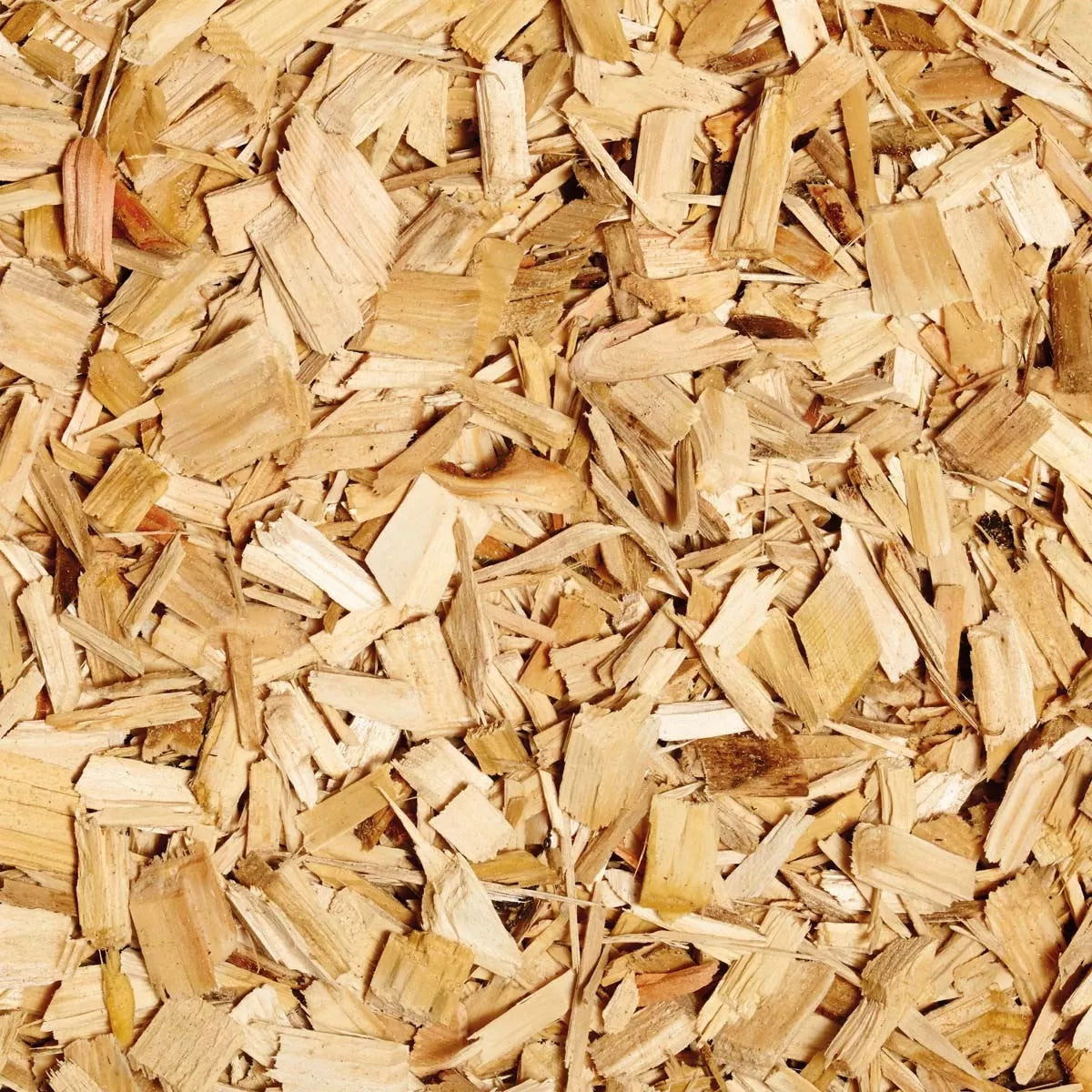
Softwood chips are supplied in large Approx. 2000 litre bulk bags
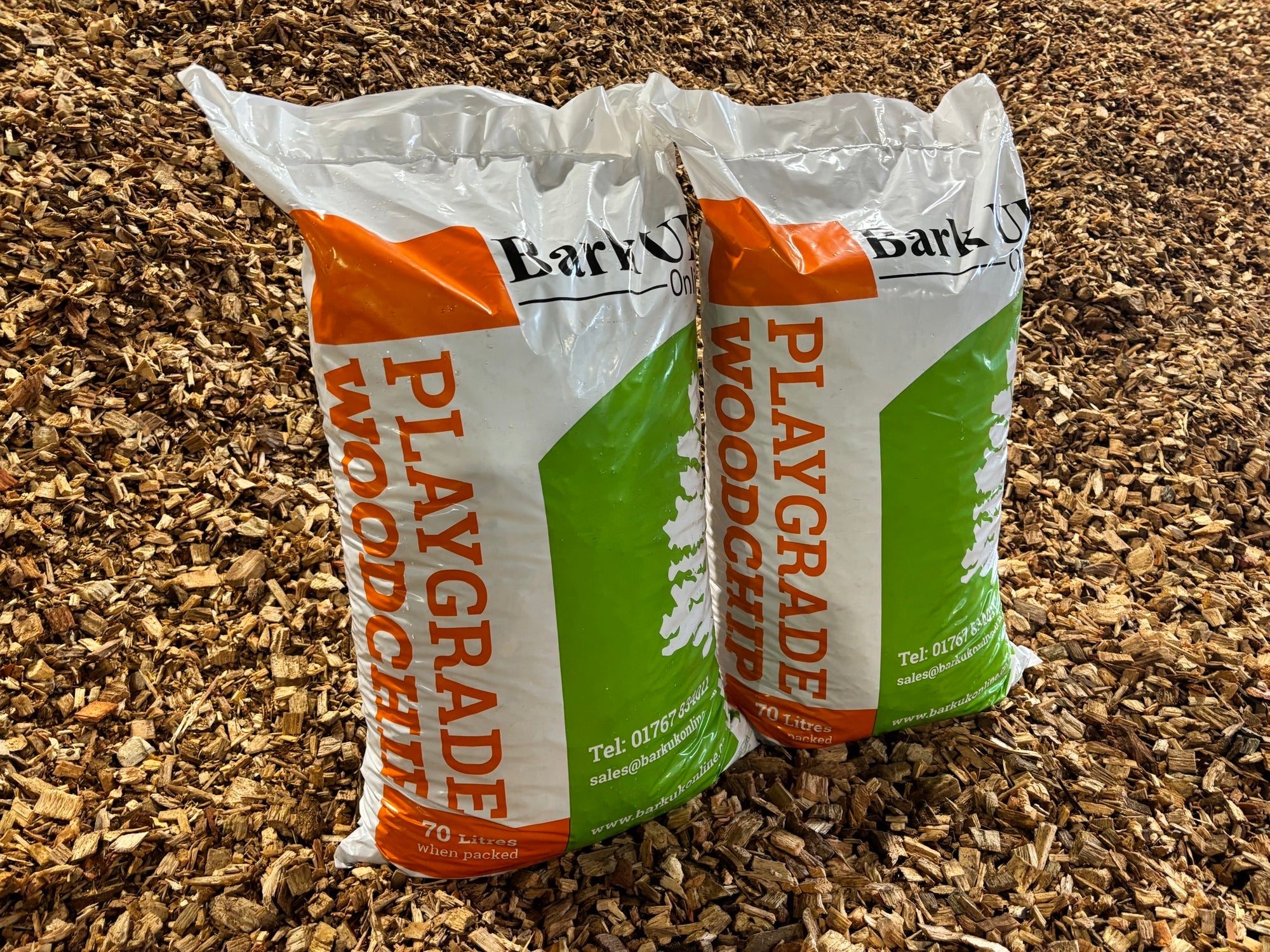
Wood chips are supplied in easy to manage 70 litre bags
<...
Supplied in large Approx.1000 litre bulk bags.
Wood ch...
Wood chips are supplied in large Approx.2000 litre bulk bags....
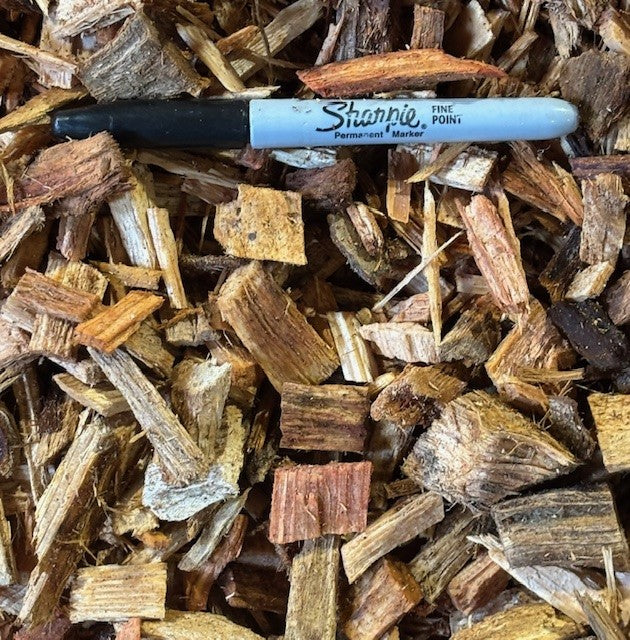
Budget Poultry run wood chips make an ideal floor covering for your chicke...
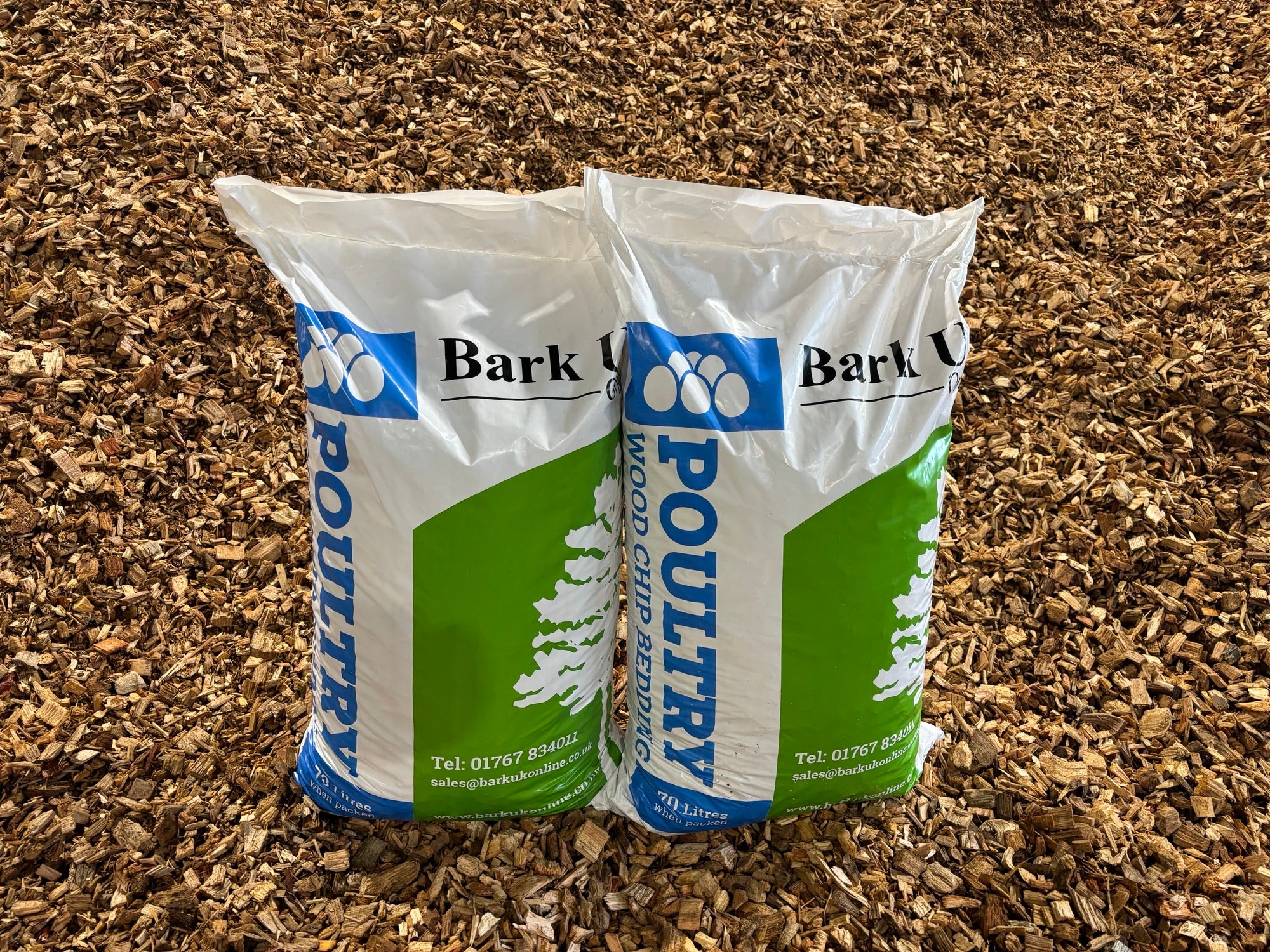
Poultry wood chips make an ideal floor covering for your chicken run...
Budget Poultry wood chips make an ideal floor covering for your chic...
Budget Poultry run wood chips make an ideal floor covering for yo...
Poultry Softwood chips are supplied in easy to manage 70 litre bags.
...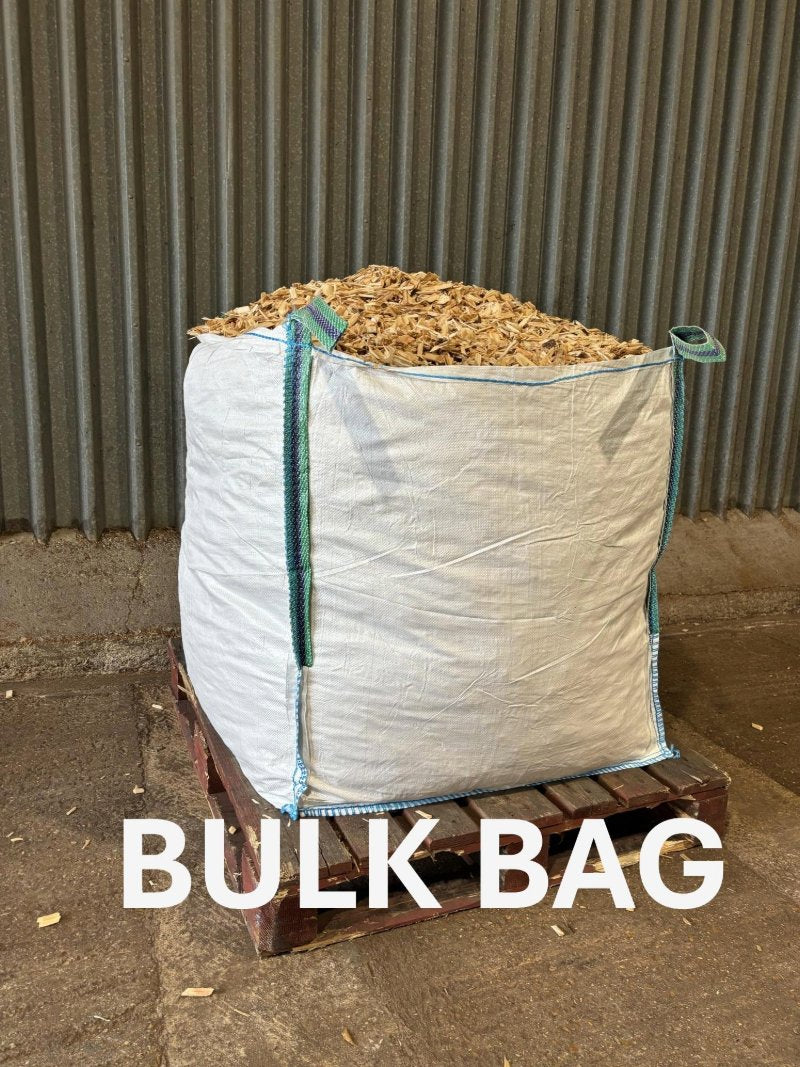
Poultry Softwood chips are supplied in large Approx.1000 litre bulk ...
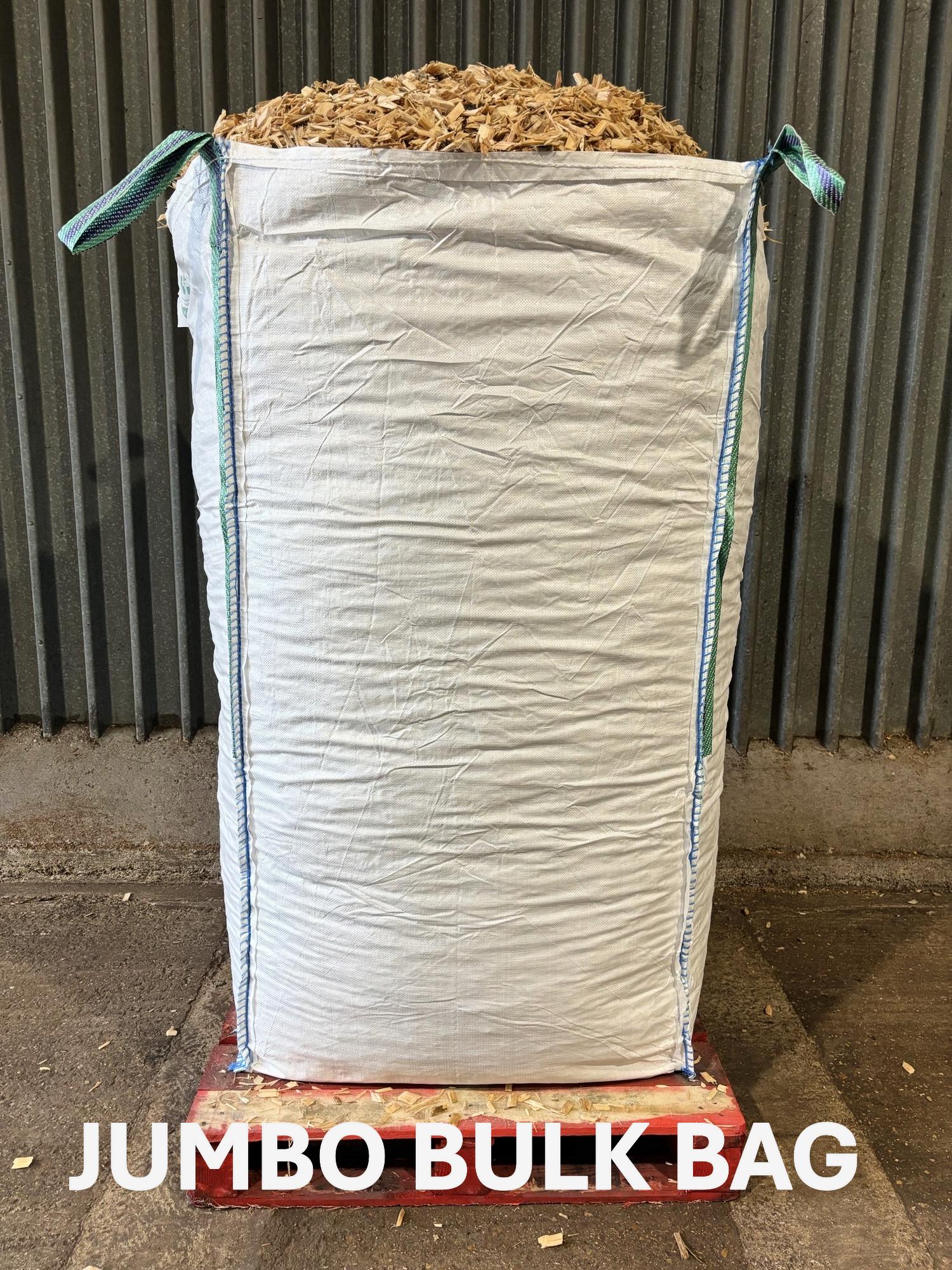
Poultry Softwood chips are supplied in large Approx.2000 litre bulk ...
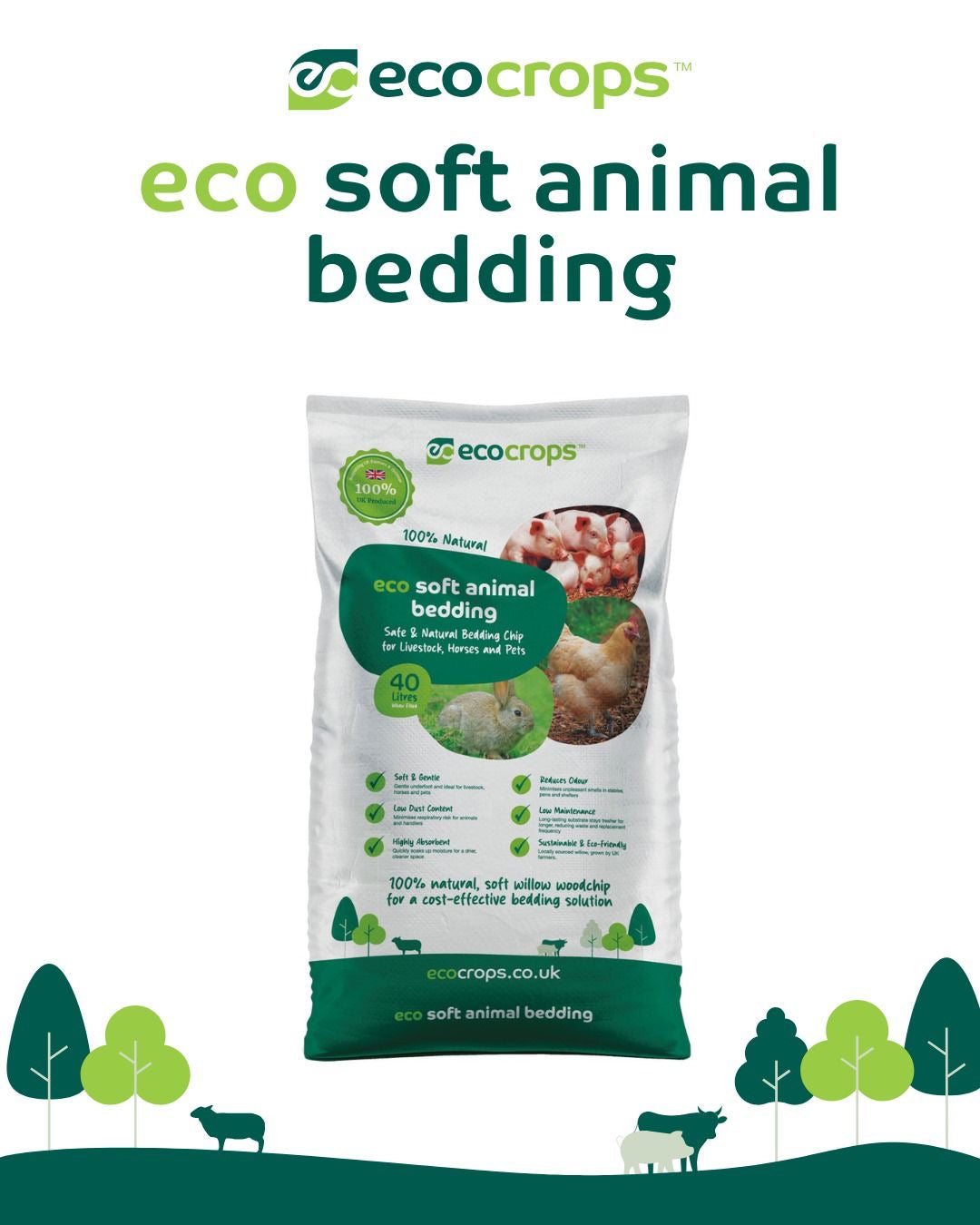
Eco Crops’ natural bedding solution is soft and are supplied in...
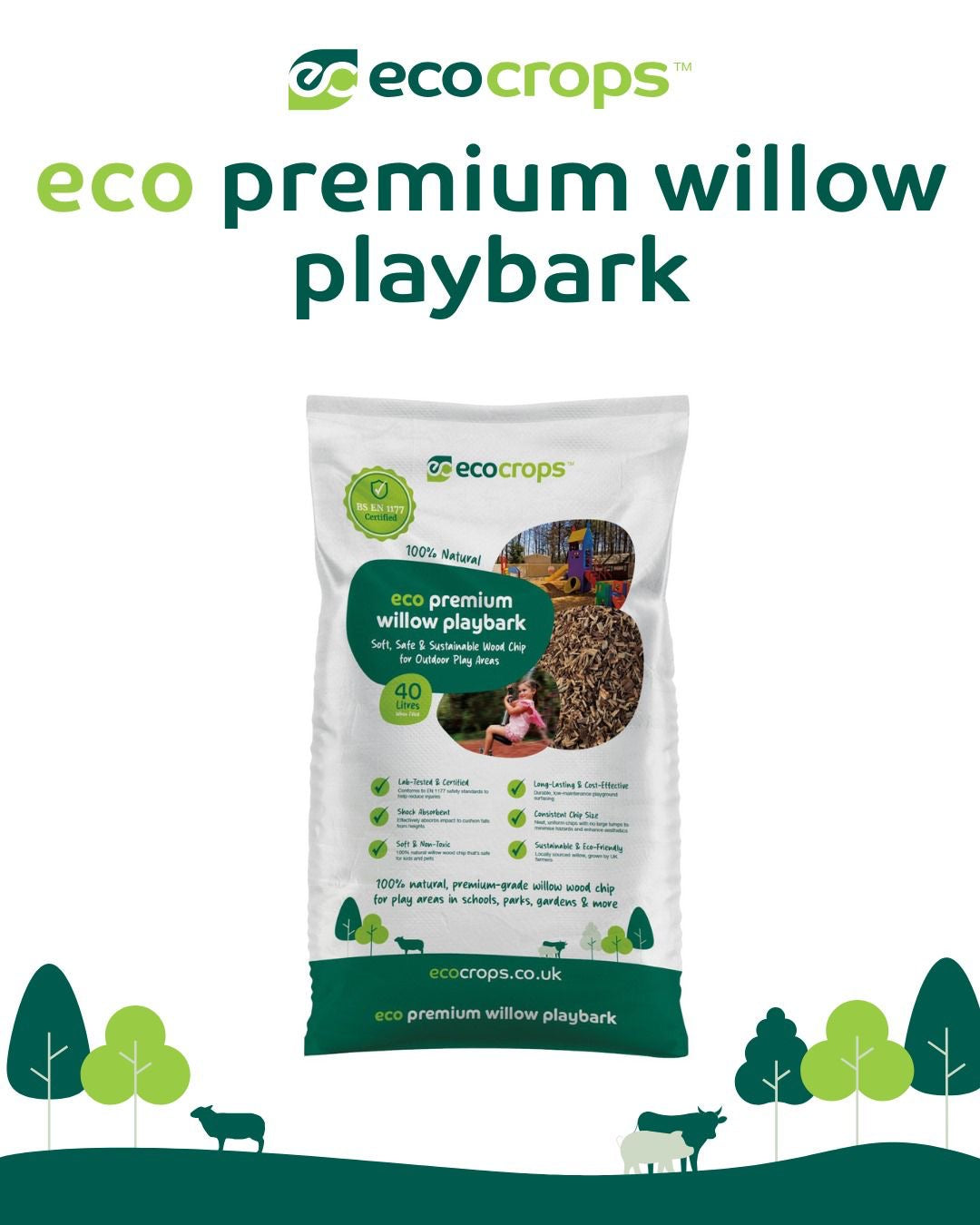
100% natural, premium-grade willow wood chip for play areas in schoo...