
Playground & Children-Friendly Surfaces: What to Look For (and How Bark UK Delivers to BS EN 1177 Standards)

Not all bark is playground bark. The difference between a standard garden product and a properly tested play surface isn't something you can see; it's in the certification, the particle size, and the way the material performs when a child actually falls on it. That's what BS EN 1177 tests for, and it's why it matters.
When it comes to garden bark, most people have a sense of what they want: something that looks tidy, keeps weeds down, and doesn't need replacing every five minutes. Play surfaces are different. The moment children are running, climbing, and falling on a surface, the stakes change. It stops being about aesthetics and starts being about safety.
That's a question we get asked regularly here at Bark UK Online: "Can't I just use regular bark in a play area?" Technically, yes. But should you? Honestly, no. The right playground bark is purpose-made and independently tested. This guide explains exactly what to look for, what BS EN 1177 actually means, and how to choose the right product for your specific set-up.
Why the Surface Under Play Equipment Matters More Than You Might Think
Children fall. It's not a worst-case scenario; it's just what children do when they're playing. The surface underneath climbing frames, swings, and slides is the last line of defence when that happens.
An unsuitable surface, such as hard-packed soil, grass, gravel, or even standard garden bark, provides little meaningful cushioning at height. A purpose-made play surface, on the other hand, is designed and tested to absorb the energy of a fall and reduce the risk of serious injury.
This is precisely what the BS EN 1177 standard measures. It's the difference between bark that looks fine and bark that's actually been proven to do its job.
Play Bark vs Garden Bark: What's the Actual Difference?
This is one of the most common points of confusion we come across, and it's worth clearing up properly.
Standard ornamental bark chippings are produced for garden beds, paths, and borders. They're graded for appearance and decomposition rate, not for safety performance. There's no requirement for them to absorb impact, maintain a consistent particle size, or meet any kind of playground standard.
Play area bark is a different product made for a different purpose:
-
Sourced from clean, renewable materials: Free from contaminants, sharp fragments, and anything that could harm a child
-
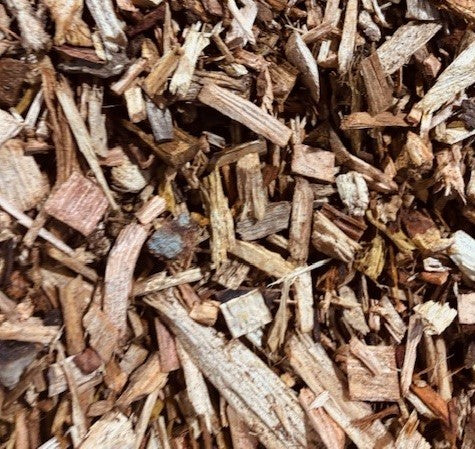
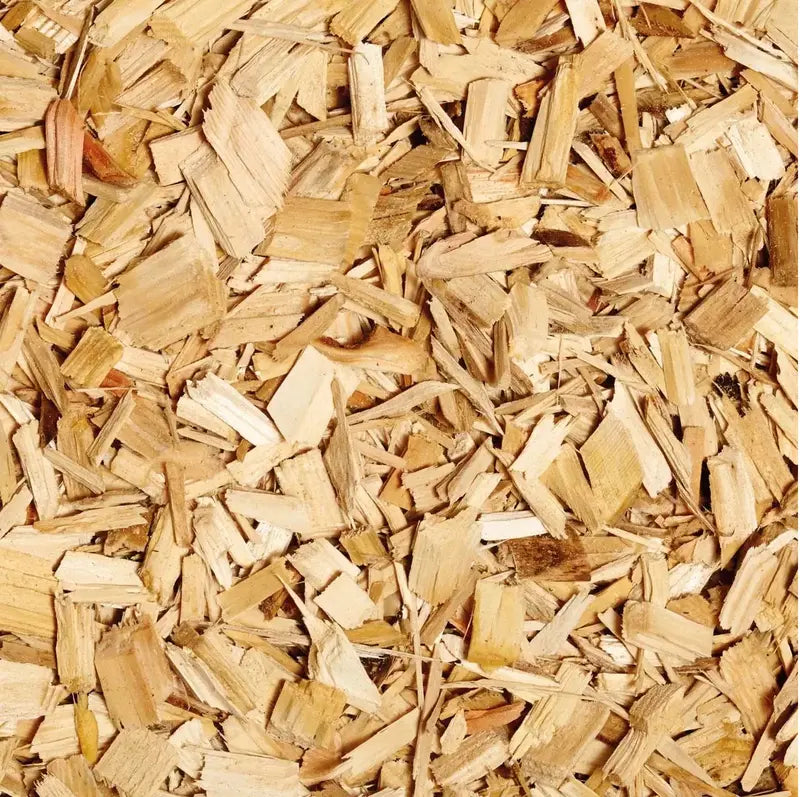
Graded to a specific particle size: Larger, more consistent pieces that hold their position, provide effective cushioning, and drain well
-
Independently tested to BS EN 1177: Verified to absorb impact to a defined standard, not just assumed to be adequate
-
Suitable for professional installation: Schools, nurseries, and local authority playgrounds can specify it with confidence
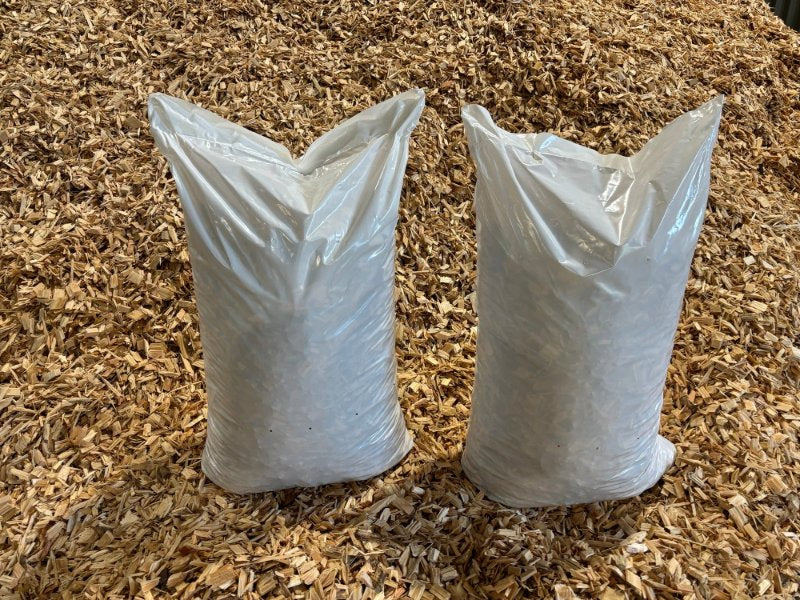
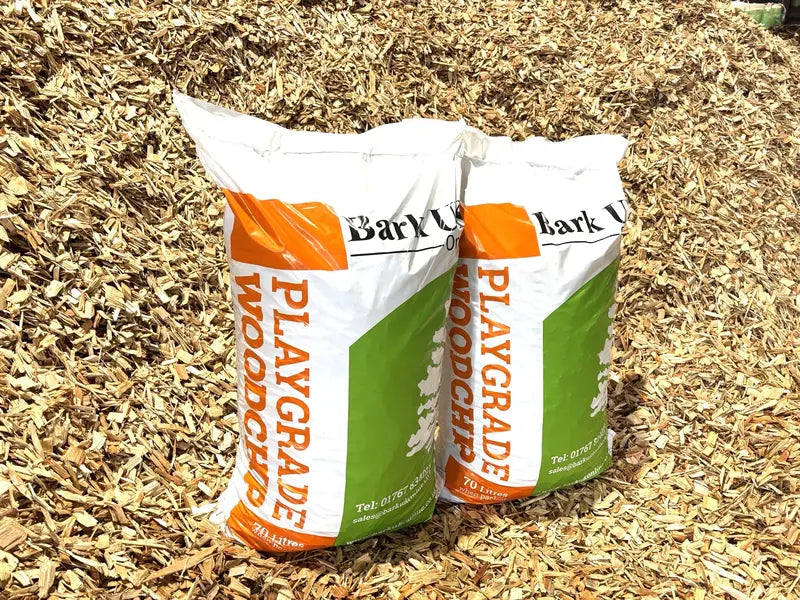
Play area bark (8–40mm) in 70L bags is the practical choice for most domestic set-ups, while play bark nuggets (15–60mm) offer greater stability and are especially well-suited to higher-traffic areas.
The short version: garden bark is garden bark. Play bark is a safety surface. They're not interchangeable.
How Deep Should Playground Bark Be?
Depth is where a lot of well-intentioned play area projects fall short. It's not enough to simply have the right product; you also need to lay it at a depth that actually delivers the protection it's rated for.
For private play areas, we would recommend a minimum depth of 10-15 centimetres and 15-30 centimetres for public areas.
A few practical points worth knowing:
-
Bark compresses and settles over time, so it's worth laying slightly more than the minimum depth at installation to account for this
-
Depth should be measured across the entire impact zone, not just directly beneath the equipment
-
Topping up regularly keeps the surface performing as it should; depth matters more as bark breaks down and settles
If you're unsure how much product you need to reach the right depth across your area, the bark calculator on our product pages will give you a reliable estimate. Just enter your dimensions and target depth, and it'll do the rest.
Which Product Is Right for Your Play Area?
Not every play space is the same, and the right product depends on the size and nature of the installation.
Family Gardens and Domestic Play Areas
For a home garden with a swing set, climbing frame, or slide, play area bark in 70L bags is the practical choice. It's manageable to handle, straightforward to lay, and gives you the same BS EN 1177-tested protection as a professional installation, just on a smaller scale.
Play bark nuggets work especially well in this setting. They stay put better than finer material, look natural in a garden context, and are easy enough to top up when needed.
Schools, Nurseries, and Public Playgrounds
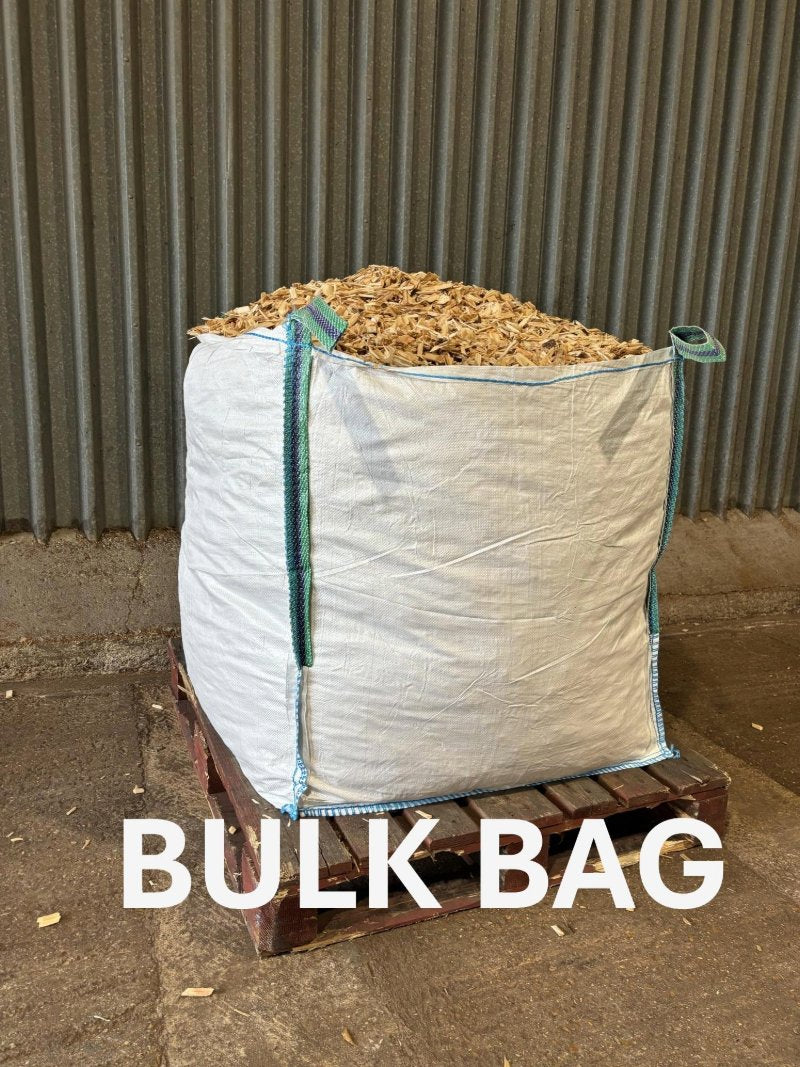
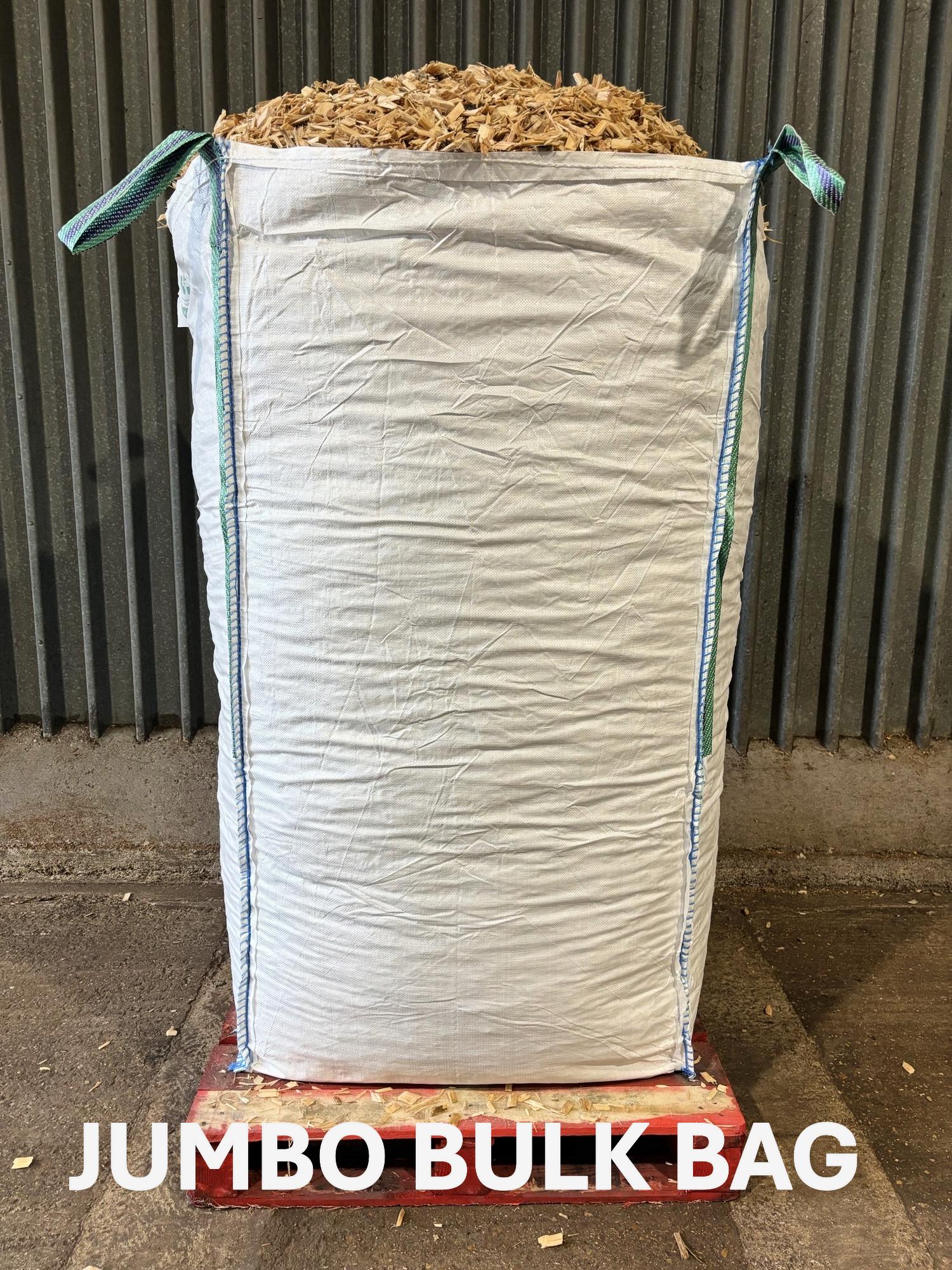
For professional installations, play wood chips in 1,000L or 2,000L bulk bags are the more practical option. Bulk bags deliver significantly more material per order, keep the cost per cubic metre down, and make it straightforward to cover larger areas in a single delivery.
For particularly large projects such as schools, parks, or public playgrounds requiring more than 20 cubic metres, we can supply loose loads. If that's what you're working with, just get in touch, and we'll talk you through the options.
Choosing the right format at a glance:
|
Play Area Type |
Recommended Format |
|
Family garden (small to medium) |
70L bags |
|
Larger domestic installation |
1,000L bulk bag |
|
School, nursery, or public playground |
1,000L or 2,000L bulk bags, or loose loads for 20m³+ |
What to Check Before You Buy
Whether you're buying for a family garden or specifying a professional installation, these are the things worth confirming before you place an order:
-
BS EN 1177 certification: The product should be independently tested, not just described as "suitable for play areas"
-
Particle size: For cushioning and stability, larger particles (play bark nuggets at 15–60mm are a good benchmark) outperform fine or variable material
-
Source and cleanliness: 100% natural, clean bark from renewable sources, free from contaminants
-
Drainage: A good play surface should drain freely so it doesn't pool after rain and stays usable in wetter months
-
Quantity options: Whether you need 70L bags for a small domestic project or bulk bags for a larger installation, the right supplier should offer both
It's also worth reading our playground bark chippings blog if you're weighing up bark against other surface types; it covers the key comparisons in a practical, straightforward way.
FAQs
What is BS EN 1177, and why does it matter for play areas?
BS EN 1177 is the British and European standard for impact-absorbing playground surfaces. It tests a material's Critical Fall Height, the maximum height from which a child could fall without the surface allowing an impact force likely to cause serious head injury. For schools, nurseries, and public playgrounds, meeting this standard is essential. For family gardens, it provides meaningful reassurance that the product has been independently tested to perform as a proper safety surface.
How deep should bark be in a children's play area?
Depth depends on the height of the equipment. As a general guide: 20cm for equipment up to 1.5m, 25cm for equipment up to 2m, and 30cm for equipment up to 3m. Bear in mind that bark compresses over time, so laying slightly above the minimum depth at the outset is sensible. Regular top-ups are also recommended to maintain effective coverage as the material settles.
What is the difference between play bark and garden bark?
Garden bark is produced for aesthetics and weed suppression in planted areas. Play bark is an entirely different product: sourced from clean, renewable materials, graded to a specific particle size for stability and cushioning, and independently tested to BS EN 1177. The two are not interchangeable. Using standard garden bark in a play area isn't a substitute for a properly tested surface, even if it looks similar.
How often should playground bark chippings be replaced?
There's no single answer, as it depends on use levels, weather exposure, and how well the surface is maintained. The main signs to look for are: a noticeable reduction in depth across the impact zone, heavy compaction that reduces cushioning, or significant decomposition of the material. Regular top-ups are more practical than full replacement, and keeping an eye on depth throughout the season is the most reliable way to stay on top of it. For heavily used installations at schools or public playgrounds, an annual assessment is a reasonable baseline.
Not Sure How Much You Need?
Once you've decided on the right product, the next step is working out how much to order. The bark calculator on our product pages makes that straightforward; just enter your area dimensions and target depth, and it'll give you a reliable estimate, so you're not over-ordering or coming up short.
And if you're still not certain, just get in touch. As a family-run business, we'd much rather give you honest, practical advice and help you order exactly what you need than have you buy more than necessary.
Ready to Order in Bulk?
For schools, nurseries, and larger installations, our play wood chips in 1,000L and 2,000L bulk bags offer the most cost-effective way to cover large impact zones to BS EN 1177 depth. Get in touch if your project requires more than 20m³, and we'll arrange a loose load delivery.
Browse Our Play-Grade Range
Browse our full range of play-grade surfaces at Bark UK Online. Quality playground bark and play wood chips tested to BS EN 1177, delivered across the UK Mainland.


Supplied in easy to handle 70L bags
Minimum 80% Hard wood ...

Minimum 80% Hard wood chips comprises of Ash, Beech, Birch, Oak, ...
Minimum 80% Hard wood chips comprises of Ash, Beech, Birch, Oak, ...
Softwood chips are supplied in easy to manage 70 litre
Softwood c...
Softwood chips are supplied in large Approx.1000 litre bulk bags
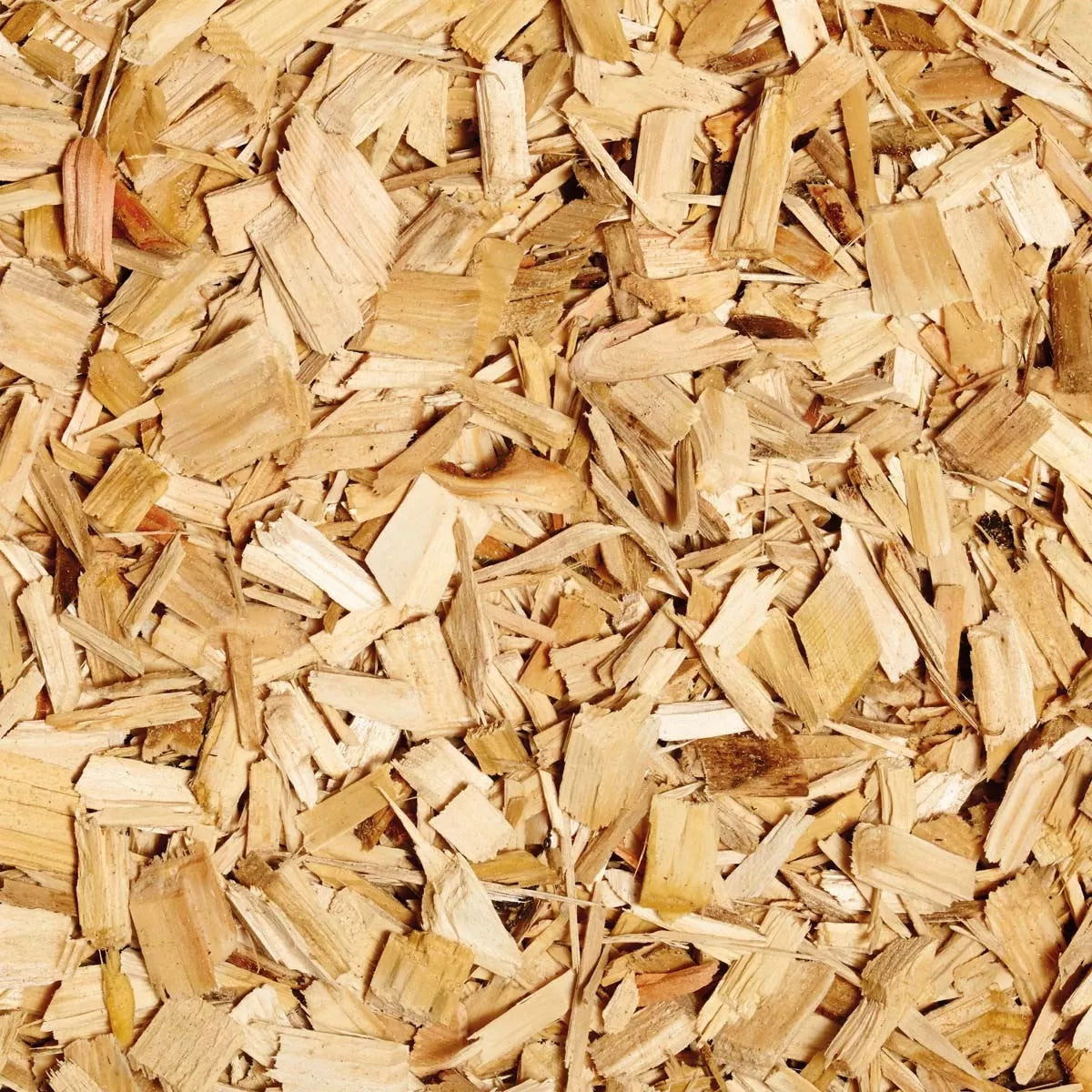
Softwood chips are supplied in large Approx. 2000 litre bulk bags
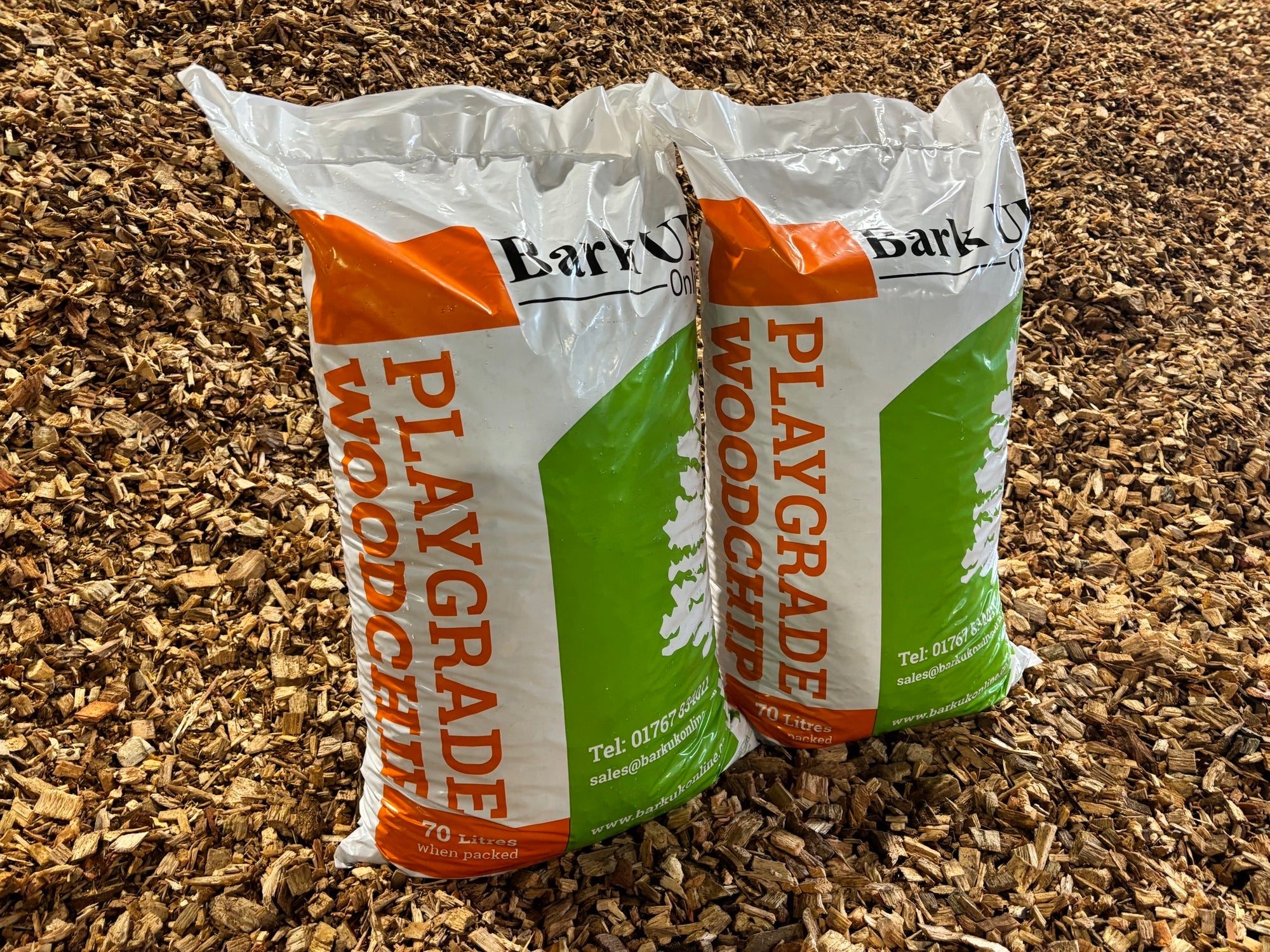
Wood chips are supplied in easy to manage 70 litre bags
<...
Supplied in large Approx.1000 litre bulk bags.
Wood ch...
Wood chips are supplied in large Approx.2000 litre bulk bags....
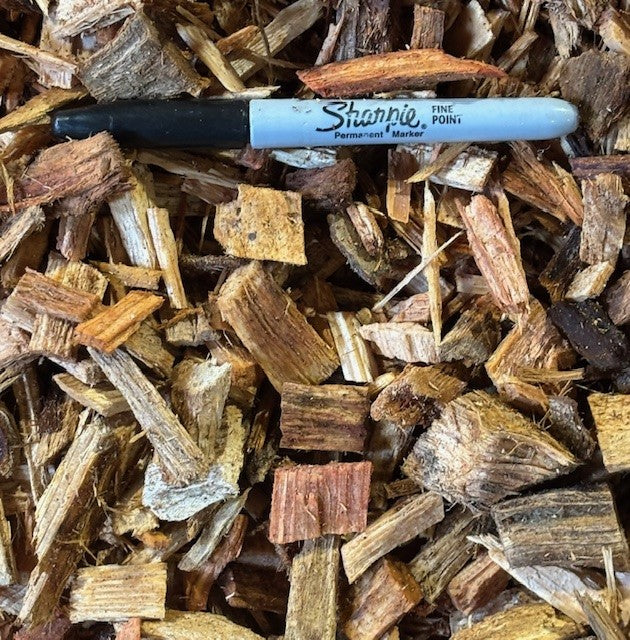
Budget Poultry run wood chips make an ideal floor covering for your chicke...
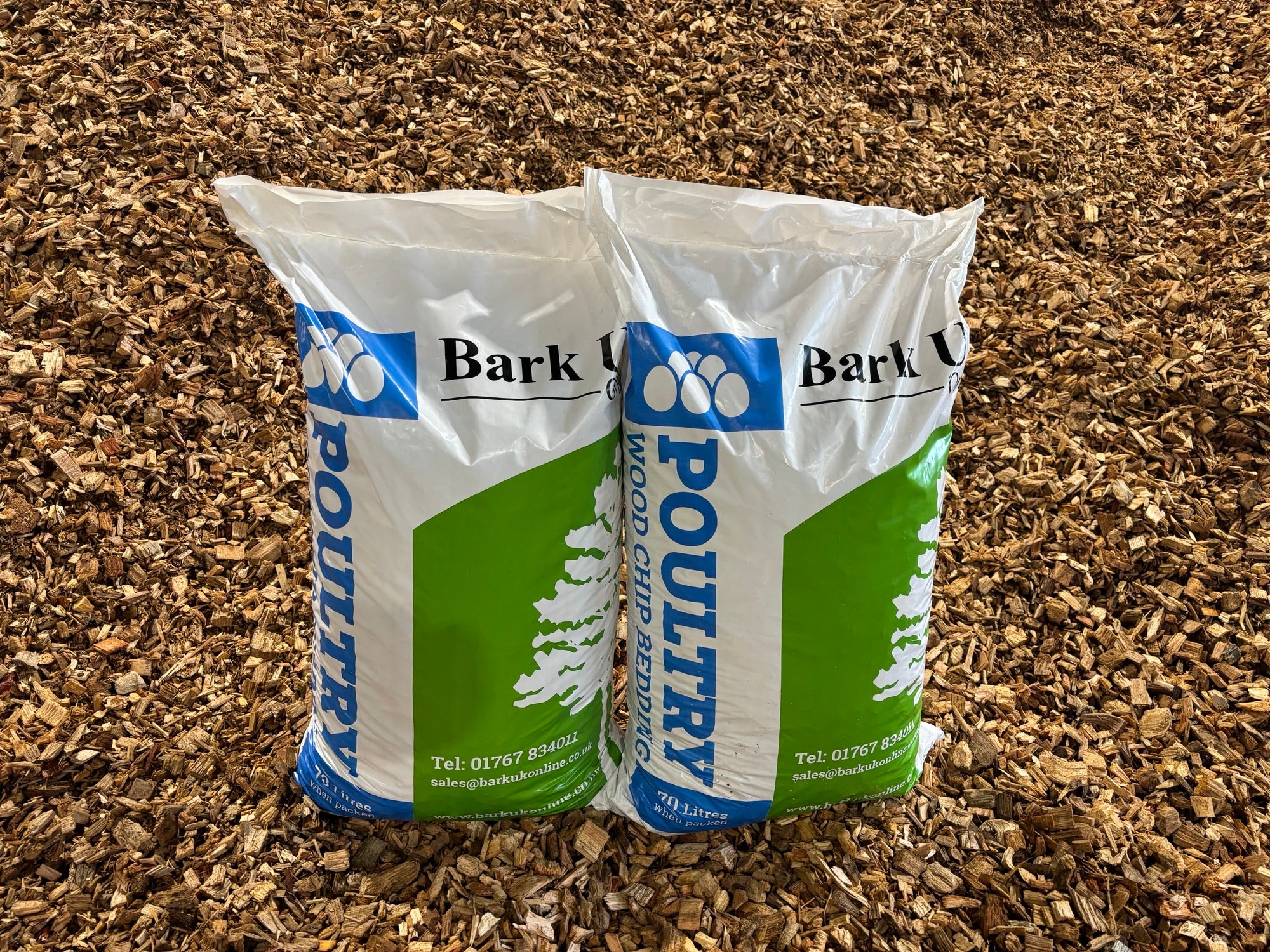
Poultry wood chips make an ideal floor covering for your chicken run...
Budget Poultry wood chips make an ideal floor covering for your chic...
Budget Poultry run wood chips make an ideal floor covering for yo...
Poultry Softwood chips are supplied in easy to manage 70 litre bags.
...
Poultry Softwood chips are supplied in large Approx.1000 litre bulk ...
Poultry Softwood chips are supplied in large Approx.2000 litre bulk ...
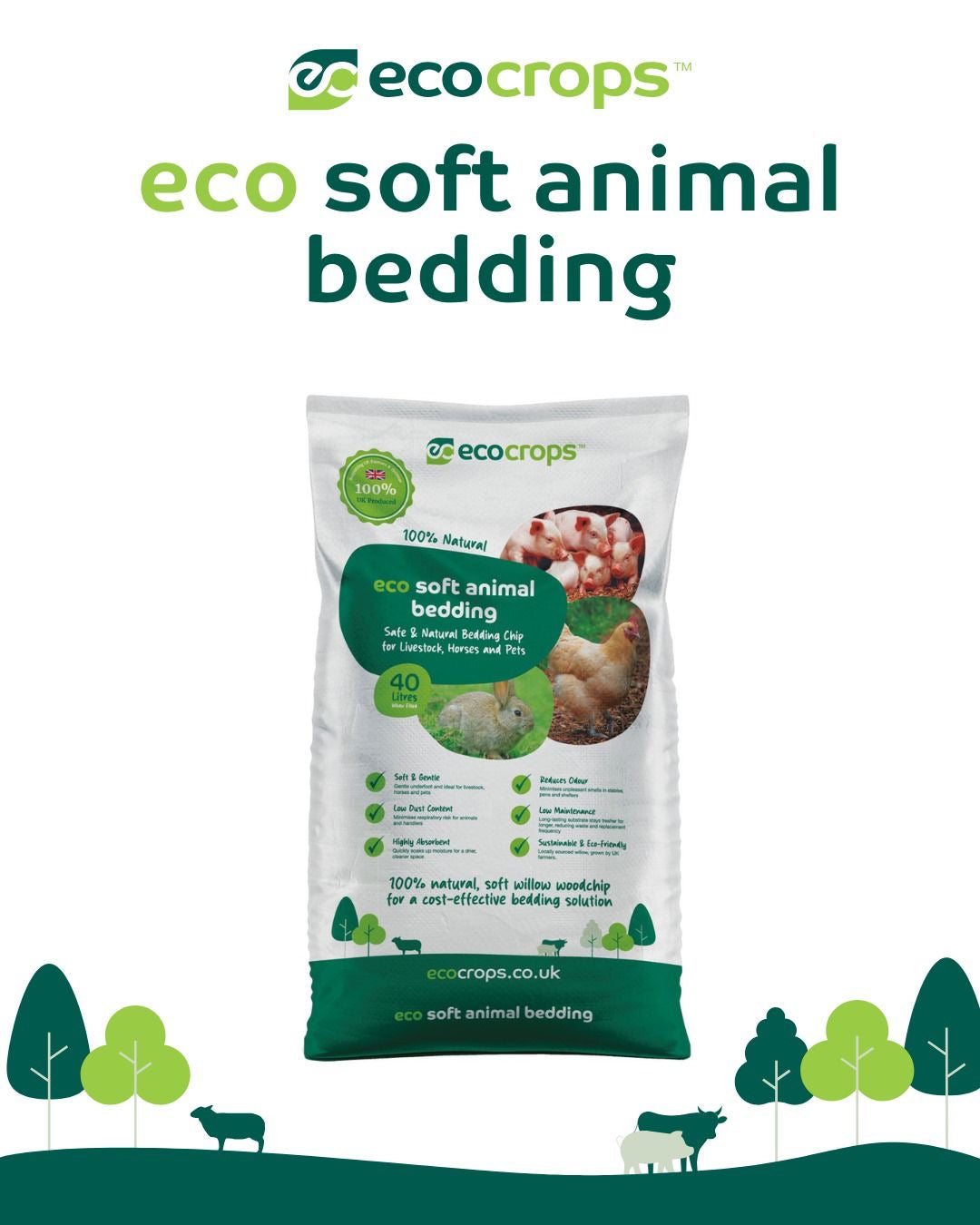
Eco Crops’ natural bedding solution is soft and are supplied in...
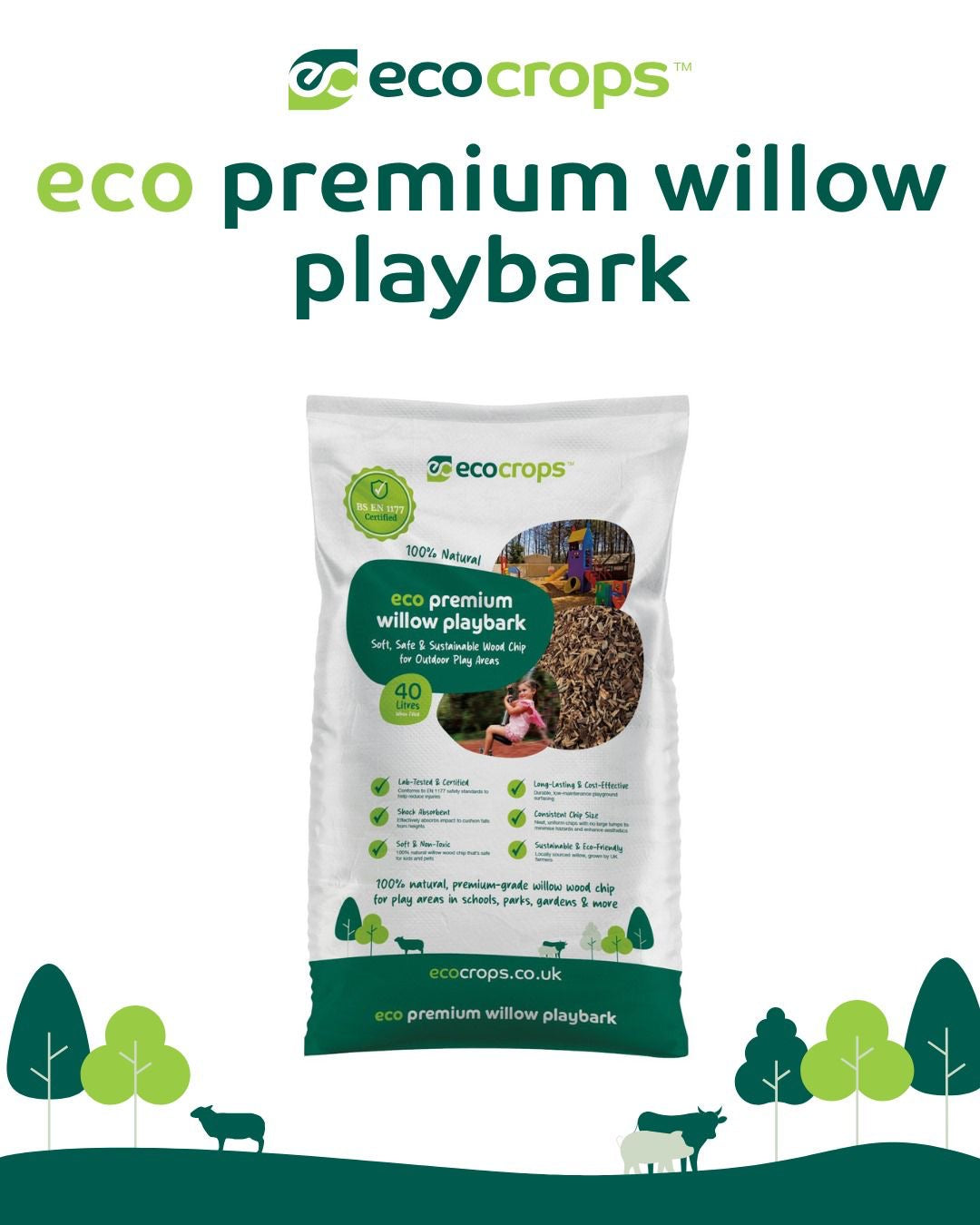
100% natural, premium-grade willow wood chip for play areas in schoo...