
Sustainable Landscaping: Why Natural Bark and Wood Chips are a Greener Choice

Sustainable Landscaping: Why Natural Bark and Wood Chips are a Greener Choice
Spring is when most gardens come back to life and when most gardeners start making decisions about how they want their outdoor spaces to look and perform through the growing season ahead. If you're planning new borders, refreshing tired beds, or tackling a landscaping project that's been on the list all winter, now is the right time to think carefully about the materials you use. For gardeners who want their outdoor spaces to work in harmony with the natural world, natural bark and wood chips are worth a serious look. Not just as a practical mulching solution, but as a genuinely greener choice that benefits your garden and the environment around it.
We're a family-run business based in Bedfordshire, and we've helped thousands of gardeners make better, more sustainable choices about the materials they use outdoors. Here's what we know about why landscape bark and wood chips are good for your garden, your local wildlife, and the wider environment.
Renewable, Natural, and Better for the Planet
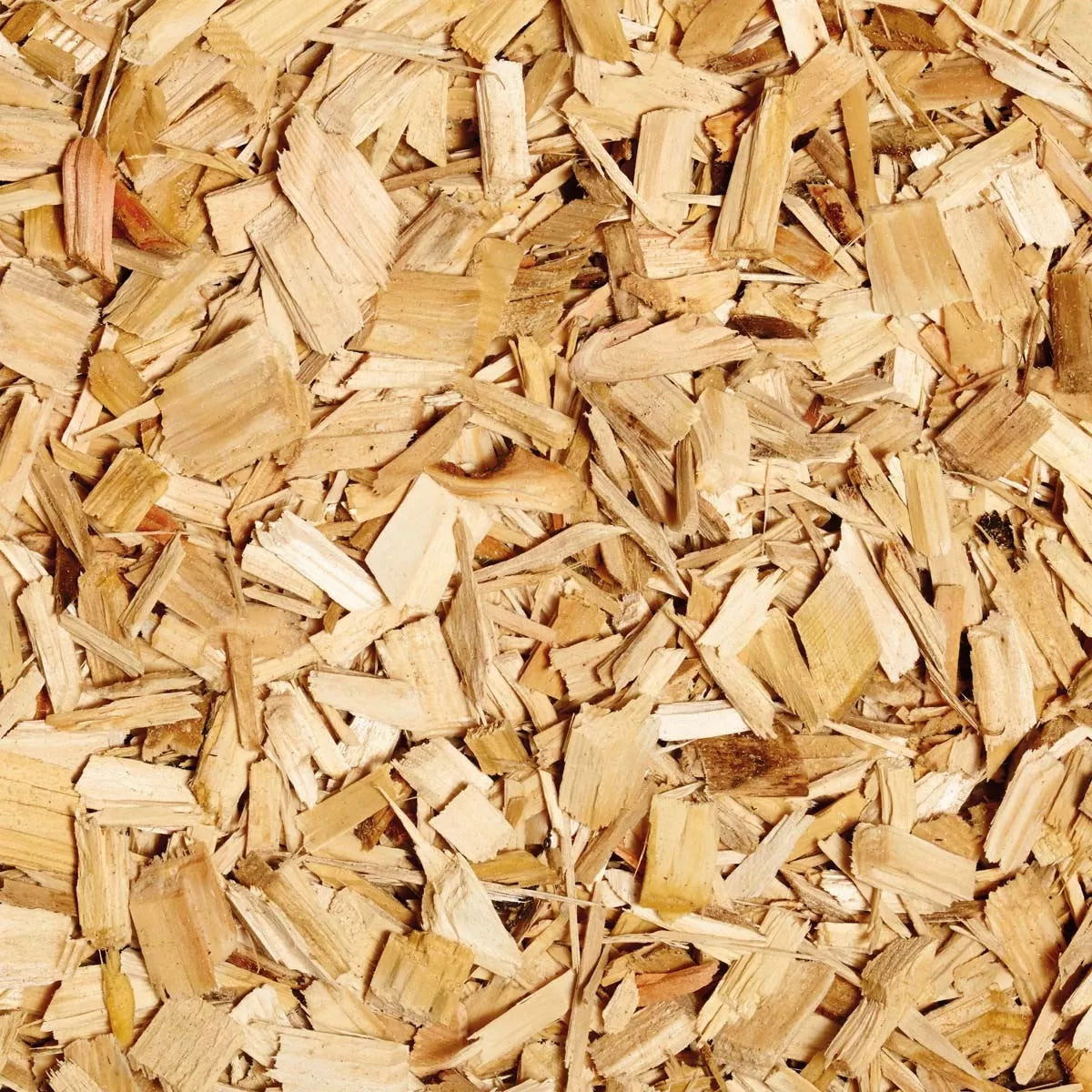
Bark and wood chips come from natural, renewable sources. Our wood chips are formed from the chipping of trees, branches, stumps, and wood waste, making them a responsible use of material that would otherwise go to waste. Unlike synthetic alternatives, they're fully biodegradable. They don't leave microplastics in your soil, they don't leach chemicals into the ground, and when they eventually break down, they give something back rather than leaving a residue behind.
This is what makes landscape bark a smarter long-term choice for gardeners who care about where their materials come from and what happens to them over time.
What They Do for Your Soil
Moisture retention and temperature regulation
Spring weather in the UK can be unpredictable. Warm enough to get plants growing, but with dry spells that can stress shallow-rooted plants quickly. A good layer of bark or wood chips slows evaporation from the soil surface, helping retain the moisture your plants need during those drier stretches. It also moderates soil temperature, keeping roots from overheating during unexpectedly warm days and protecting them if a late frost catches you off guard.
For spring application, we'd recommend a depth of around 5 to 7cm for effective coverage.
Feeding the soil as they break down
As bark and wood chips decompose, they release nutrients slowly into the soil. This feeds the microbial life beneath the surface, which in turn supports healthier plant growth over time. In nutrient-poor or compacted soil, regular mulching is one of the most practical ways to improve growing conditions without resorting to synthetic fertilisers. Our organic mulch range goes a step further, offering a peat-free option that nourishes beds and borders with natural goodness.
Fewer Weeds, Less Water, No Chemicals
A well-applied layer of landscape bark suppresses weeds by blocking light from reaching dormant seeds in the soil below. Spring is exactly when weed pressure picks up, so mulching now gives you a head start before the growing season gets going in earnest. That reduces the time you spend weeding and the temptation to reach for chemical weed killers. It's a straightforward, natural solution that works quietly in the background, season after season.
Our bark mulch and wood chippings are popular choices for exactly this reason: they do the hard work of weed suppression and moisture retention without any of the environmental downsides of synthetic products.
Supporting Wildlife and Biodiversity
Bark and wood chips don't just benefit your plants. They create a habitat for beetles, earthworms, spiders, and other soil organisms that play a key role in keeping your garden ecosystem healthy. These creatures break down organic matter, aerate the soil, and form part of the food chain that supports birds, hedgehogs, and other garden wildlife, all of which become more active through spring and summer.
Our landscape hardwood chips are a natural choice for gardeners who want to encourage wildlife while keeping their outdoor spaces looking well maintained.
A More Sustainable Alternative to Plastic Weed Membrane
Plastic weed membrane is still widely used, but it comes with real drawbacks. It can break down into microplastics, it prevents organic matter from reaching the soil, and once it starts to degrade or become exposed, it's difficult to remove cleanly. Bark chippings offer a natural alternative that suppresses weeds effectively, degrades safely over time, and actively improves the soil beneath.
For gardeners who've used membrane in the past and want to move away from it, bark is the practical, eco-friendly replacement.
FAQs
Is bark mulch environmentally friendly?
Yes. Bark mulch is biodegradable and sourced from renewable natural materials. It reduces the need for chemical weed control, conserves water through moisture retention, and supports soil life and biodiversity.
Does bark mulch improve soil quality?
It does. As it breaks down, bark mulch adds organic matter to the soil, improving structure, drainage, and moisture retention. The microbial activity it supports leads to healthier plant growth over time.
What are the environmental benefits of using wood chips in landscaping?
Wood chips are a natural by-product of timber processing, which reduces waste. They improve soil fertility through slow nutrient release, reduce erosion, suppress weeds without chemicals, and provide habitat for beneficial soil organisms.
Are bark chippings a sustainable alternative to plastic weed membrane?
Yes. Bark chippings suppress weeds naturally, break down safely without leaving synthetic residues, and improve the soil as they decompose, making them a more sustainable choice in most landscaping applications.
Ready to Get Started?
If you're planning to mulch your garden this spring, or looking for a natural, sustainable ground cover for a landscaping project, we're here to help. Browse our full range, including landscape hardwood chips, wood chippings, bark mulch, and organic mulch, and get in touch if you'd like a recommendation for your specific project.
We're a family-run team in Bedfordshire and we're always happy to give honest, practical advice, with no pressure to buy more than you need.


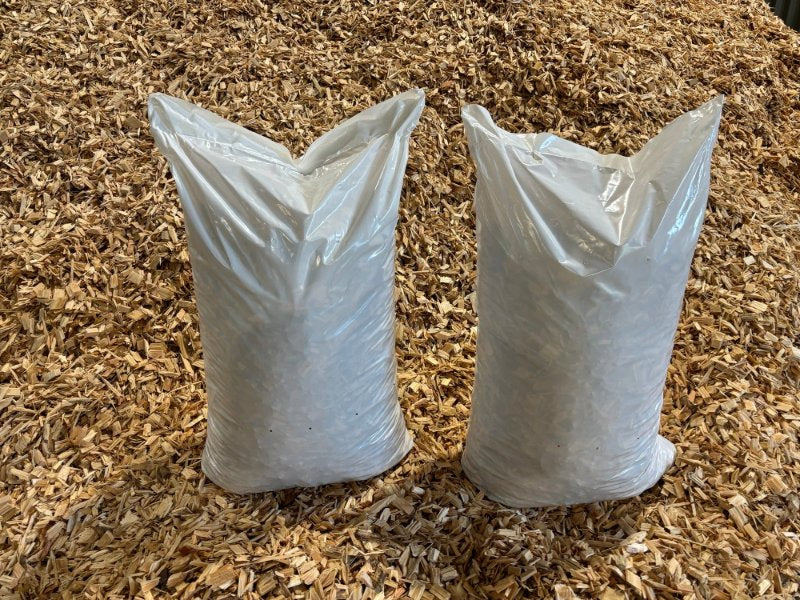
Supplied in easy to handle 70L bags
Minimum 80% Hard wood ...

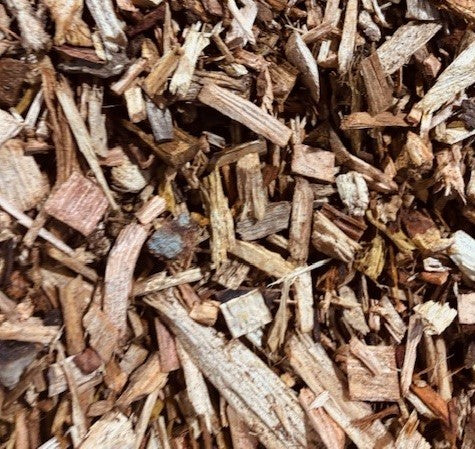
Minimum 80% Hard wood chips comprises of Ash, Beech, Birch, Oak, ...
Minimum 80% Hard wood chips comprises of Ash, Beech, Birch, Oak, ...
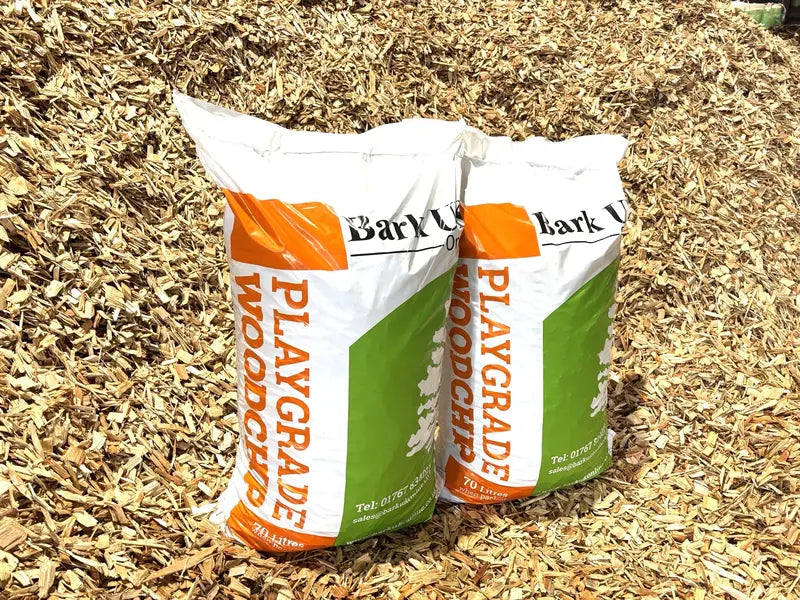
Softwood chips are supplied in easy to manage 70 litre
Softwood c...
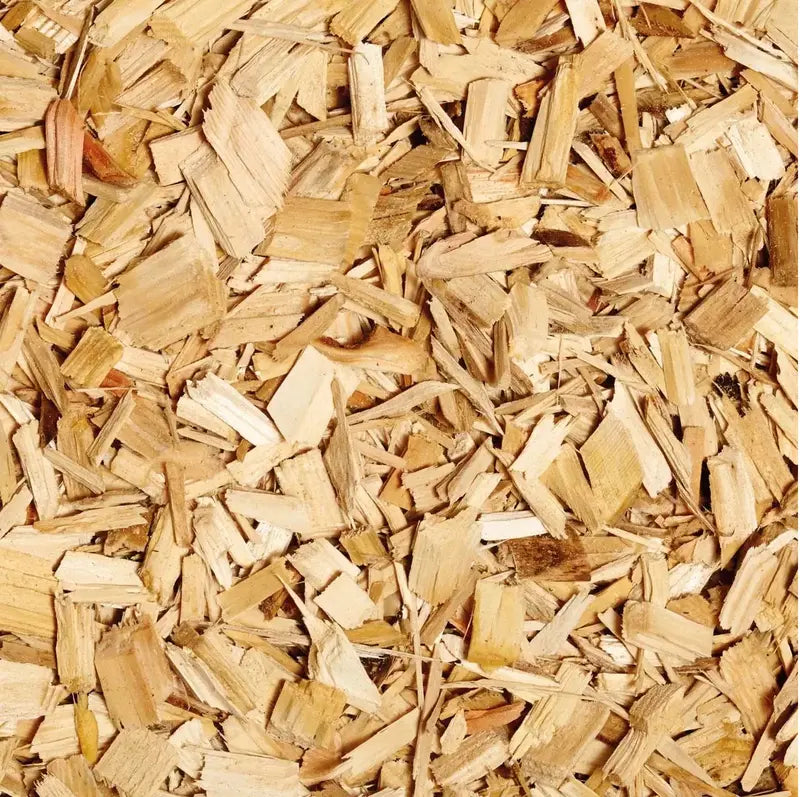
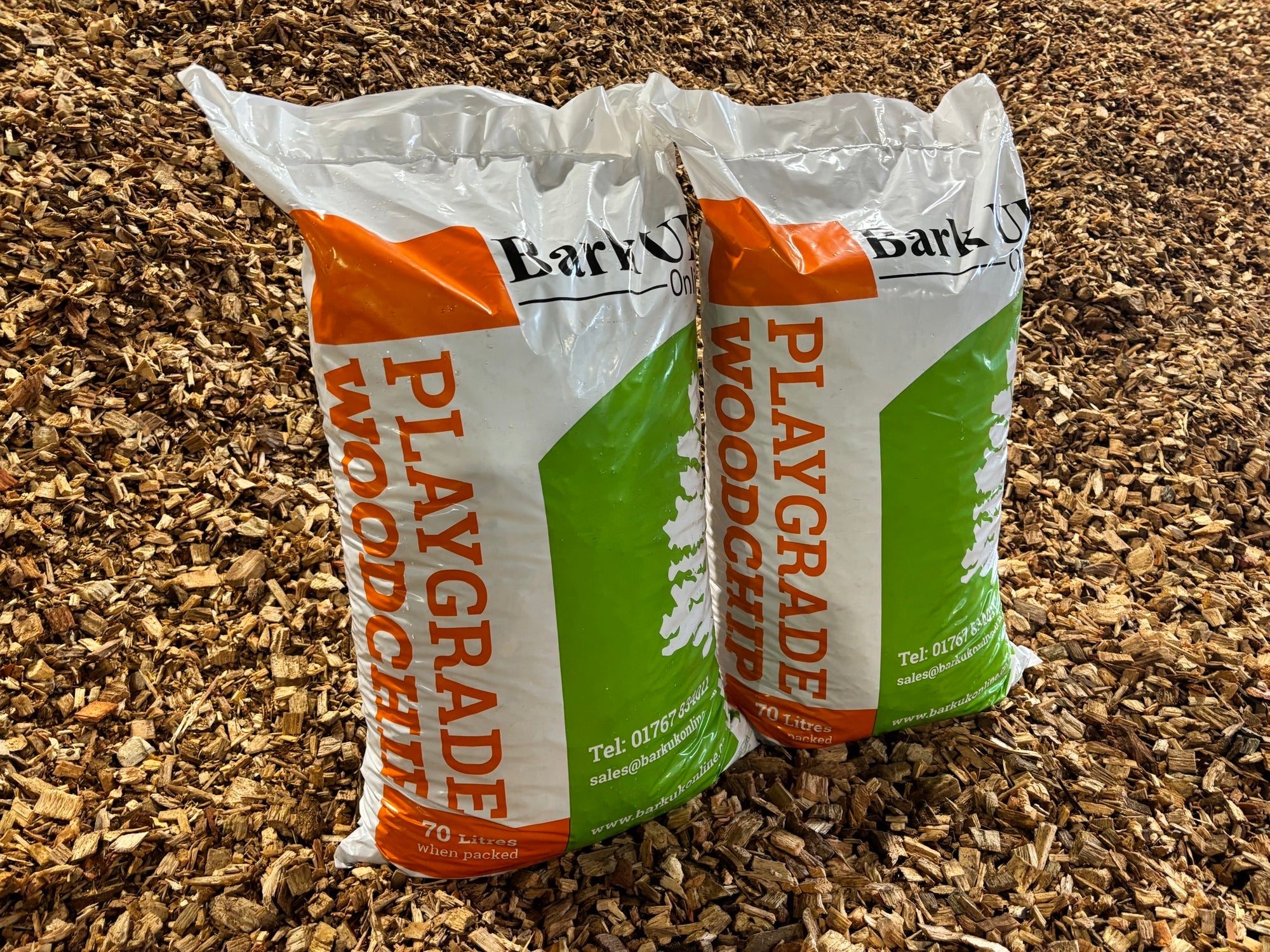
Wood chips are supplied in easy to manage 70 litre bags
<...
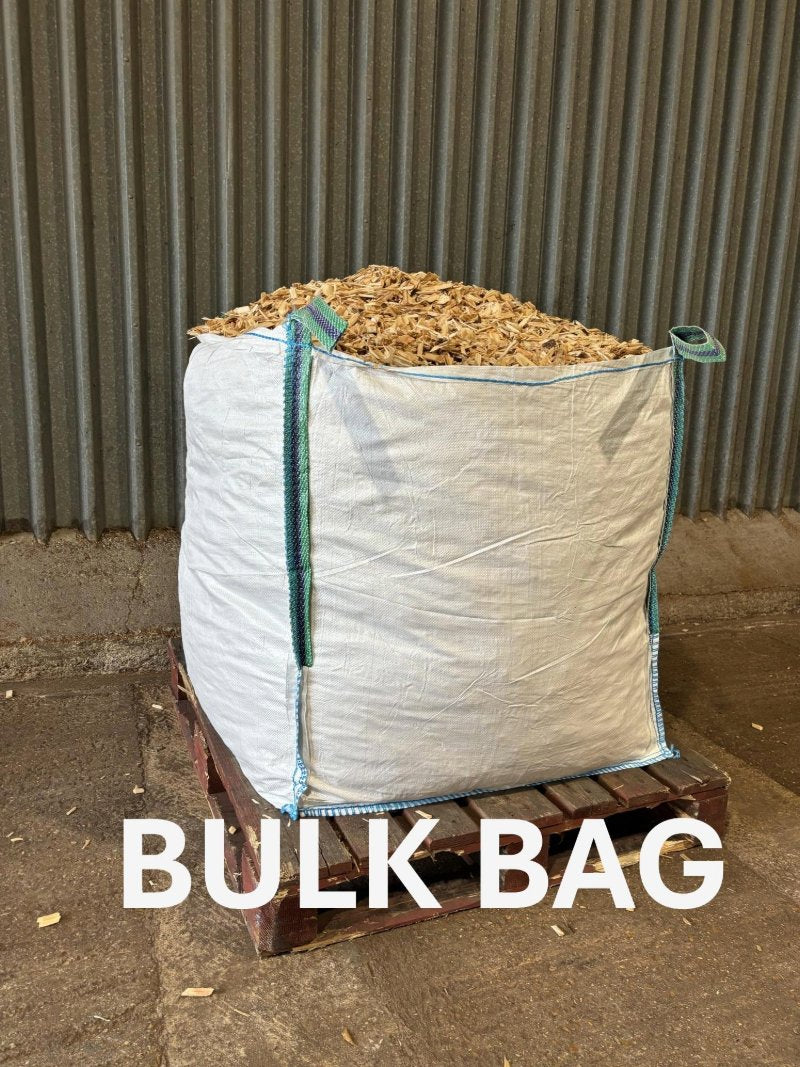
Supplied in large Approx.1000 litre bulk bags.
Wood ch...
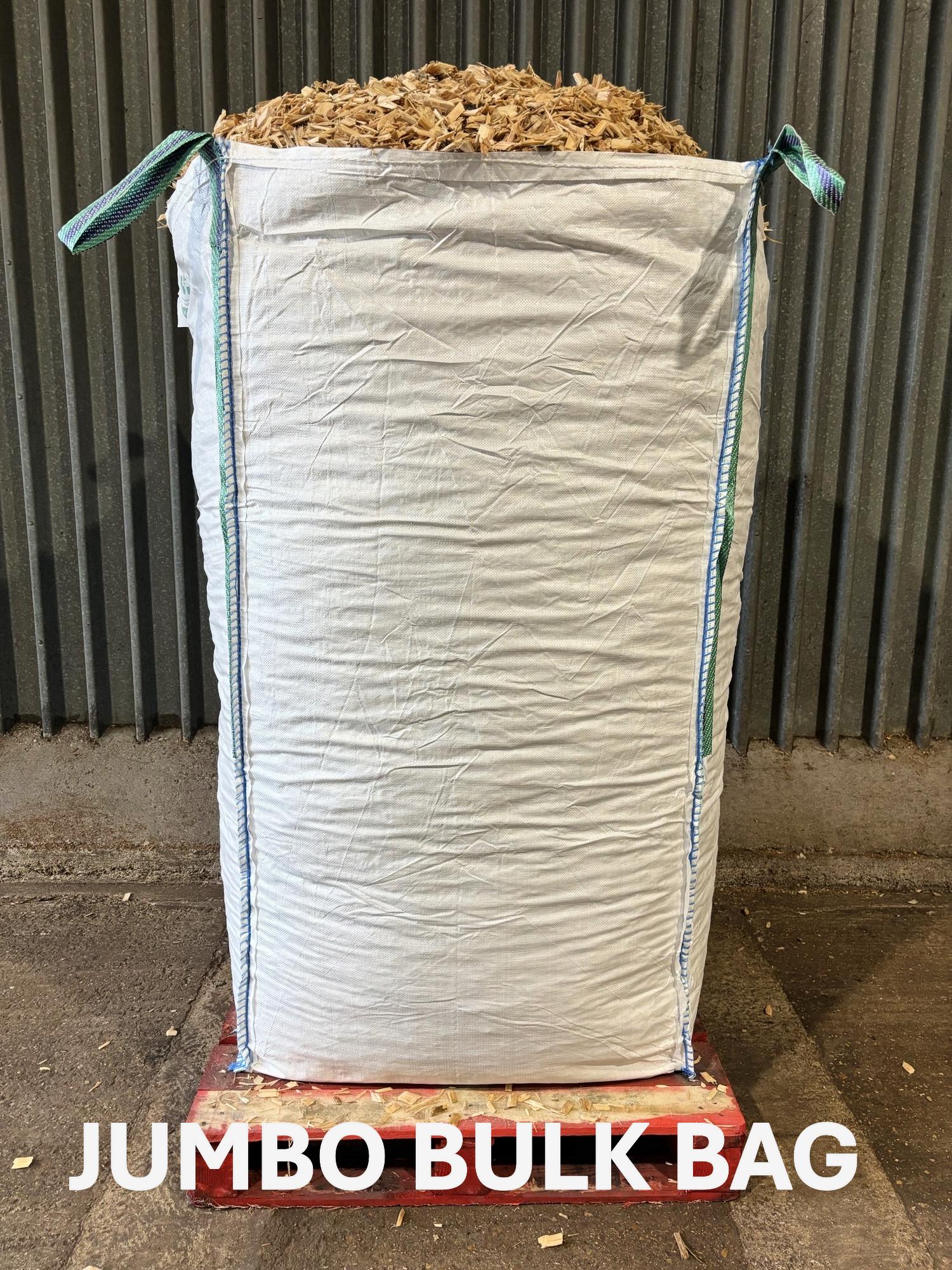
Wood chips are supplied in large Approx.2000 litre bulk bags....
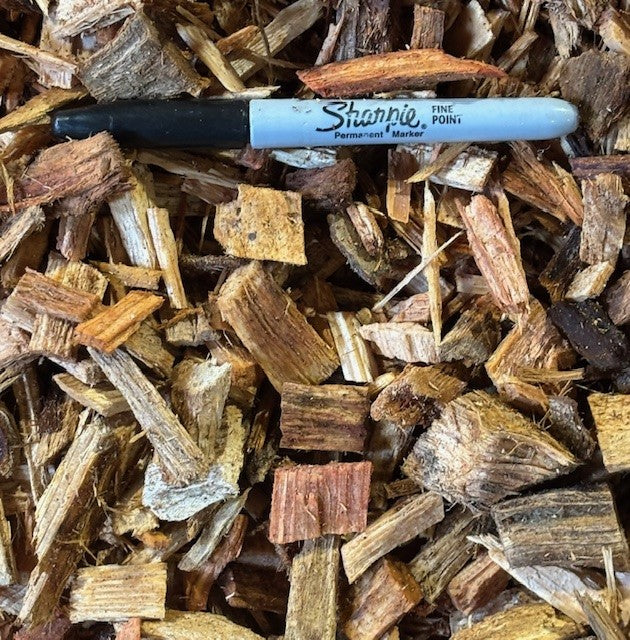
Budget Poultry run wood chips make an ideal floor covering for your chicke...
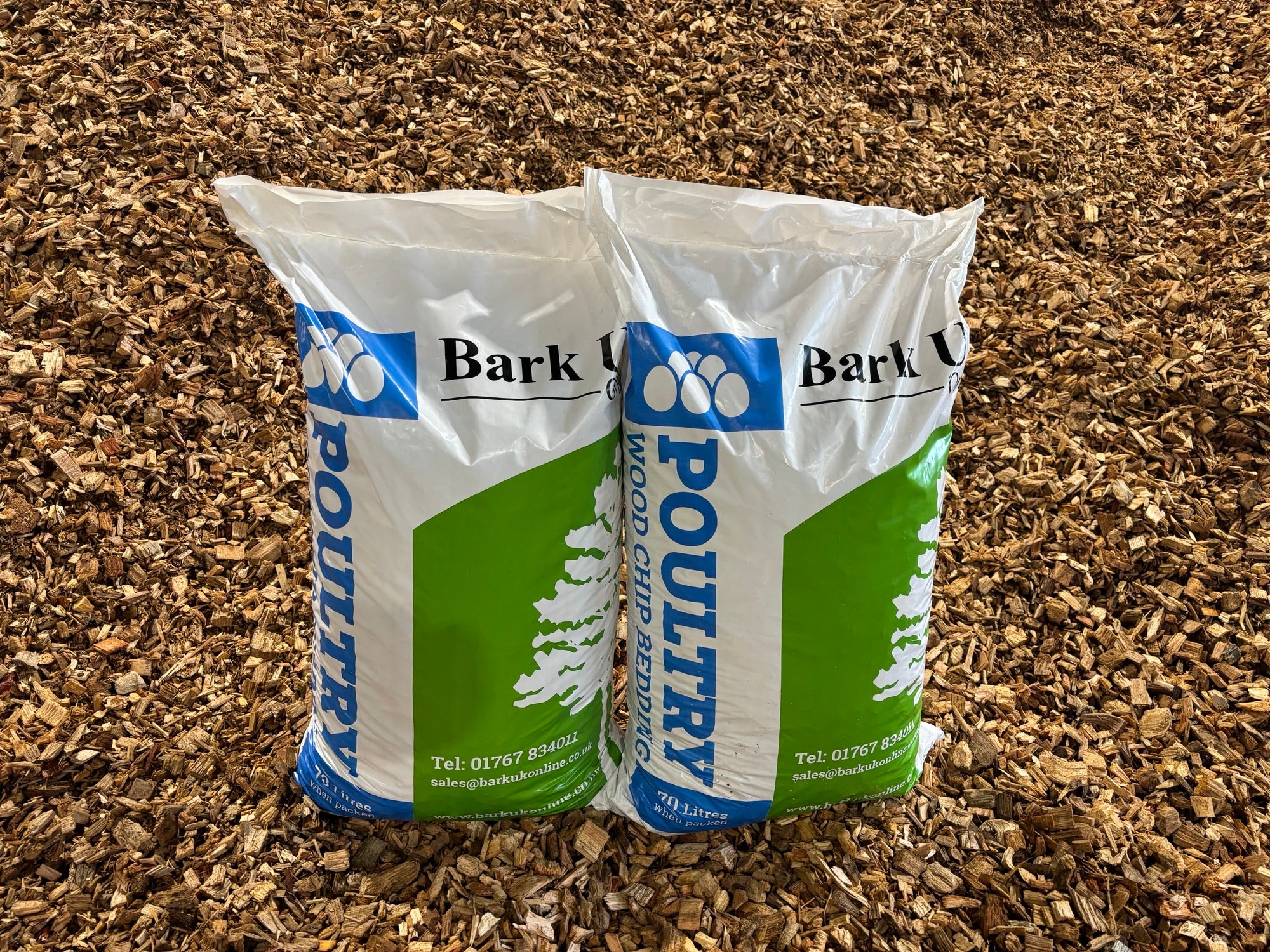
Poultry wood chips make an ideal floor covering for your chicken run...
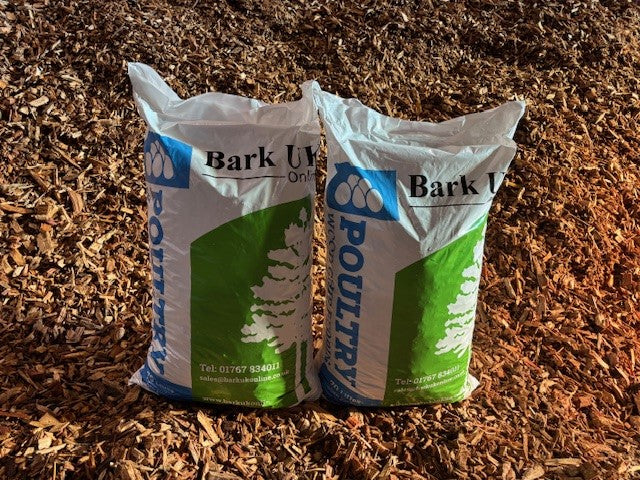
Budget Poultry wood chips make an ideal floor covering for your chic...
Budget Poultry run wood chips make an ideal floor covering for yo...
Available to Pre-order for d...
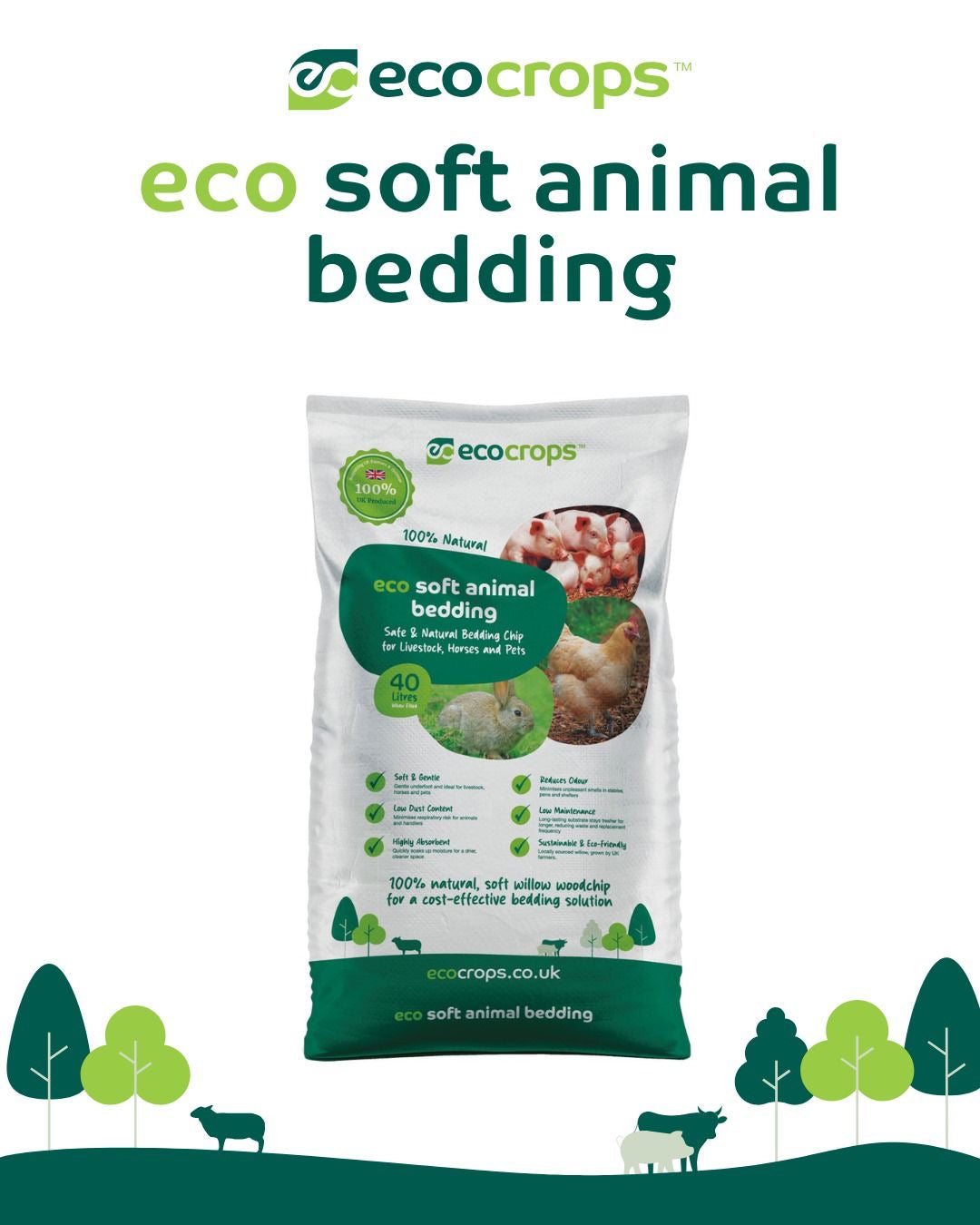
Eco Crops’ natural bedding solution is soft and are supplied in...
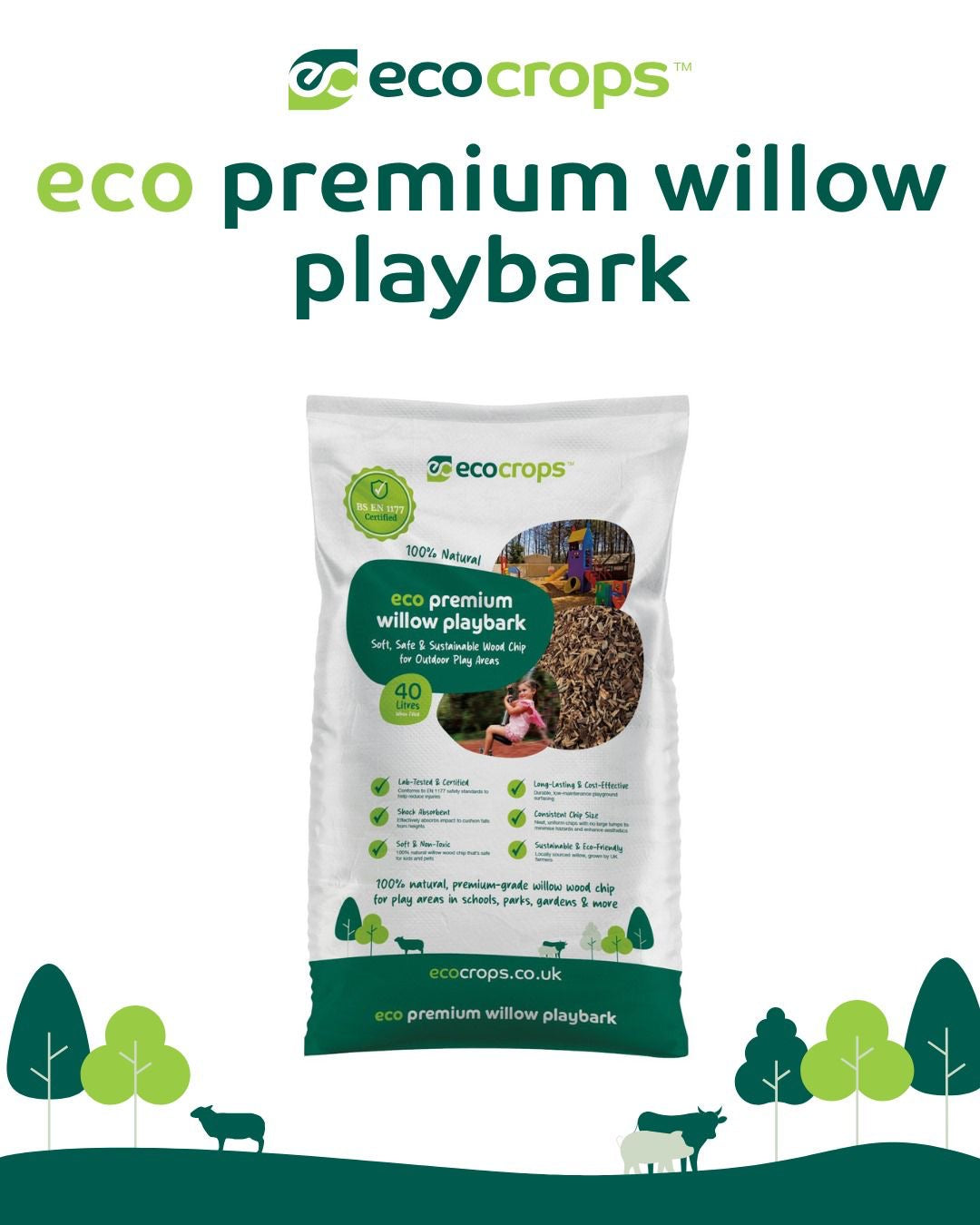
100% natural, premium-grade willow wood chip for play areas in schoo...